Your generator died halfway through a wedding. Your fridge stopped working the night before a festival. Equipment failures cost you money and your reputation. Here's a maintenance checklist that'll save you from disaster—and save you thousands in emergency repairs.
Why Preventative Maintenance Pays for Itself
I've seen vendors lose £2,000+ in a single weekend because of equipment failure. A generator that cuts out mid-service. A fridge that dies overnight, spoiling £400 worth of stock. A vehicle breakdown that means cancelling a £1,500 booking.
The frustrating part? Most of these failures were preventable. A £30 service, a £15 part, or simply checking something weekly could've saved thousands.
Here's the maths: a typical mobile caterer has around £15,000-25,000 invested in equipment. Spending 1-2% of that annually on maintenance (£150-500) protects the whole lot. Skip maintenance, and you're gambling with your livelihood.
Weekly Checks (15 Minutes)
These quick checks should become habit. Do them every Monday morning, or the day before your first event of the week.
Vehicle
- Tyre pressure and condition: Under-inflated tyres cost you fuel and can blow out on motorways. Check all four plus the spare.
- Oil level: Takes 30 seconds with the dipstick. Top up if needed.
- Coolant level: A quick glance at the expansion tank. Never open when hot.
- Lights: Walk around, check indicators, brake lights, headlights. A blown bulb is a £50 fine.
- Windscreen washer fluid: You'll thank yourself on a muddy festival track.
Refrigeration
- Temperature log: Check your fridge and freezer are hitting target temps. Write it down—you'll need this for EHO visits.
- Door seals: Close the door on a piece of paper. If it pulls out easily, seals need replacing.
- Condenser coils: Look at the back or underneath. Dusty coils make fridges work harder and fail sooner.
Cooking Equipment
- Gas connections: Visual check for wear or damage. Any smell of gas means stop immediately.
- Burner flames: Should be blue, not yellow. Yellow flames mean incomplete combustion—wasting gas and creating carbon monoxide.
- Grease traps: Empty before they overflow. A grease fire will end your season.
Pro Tip
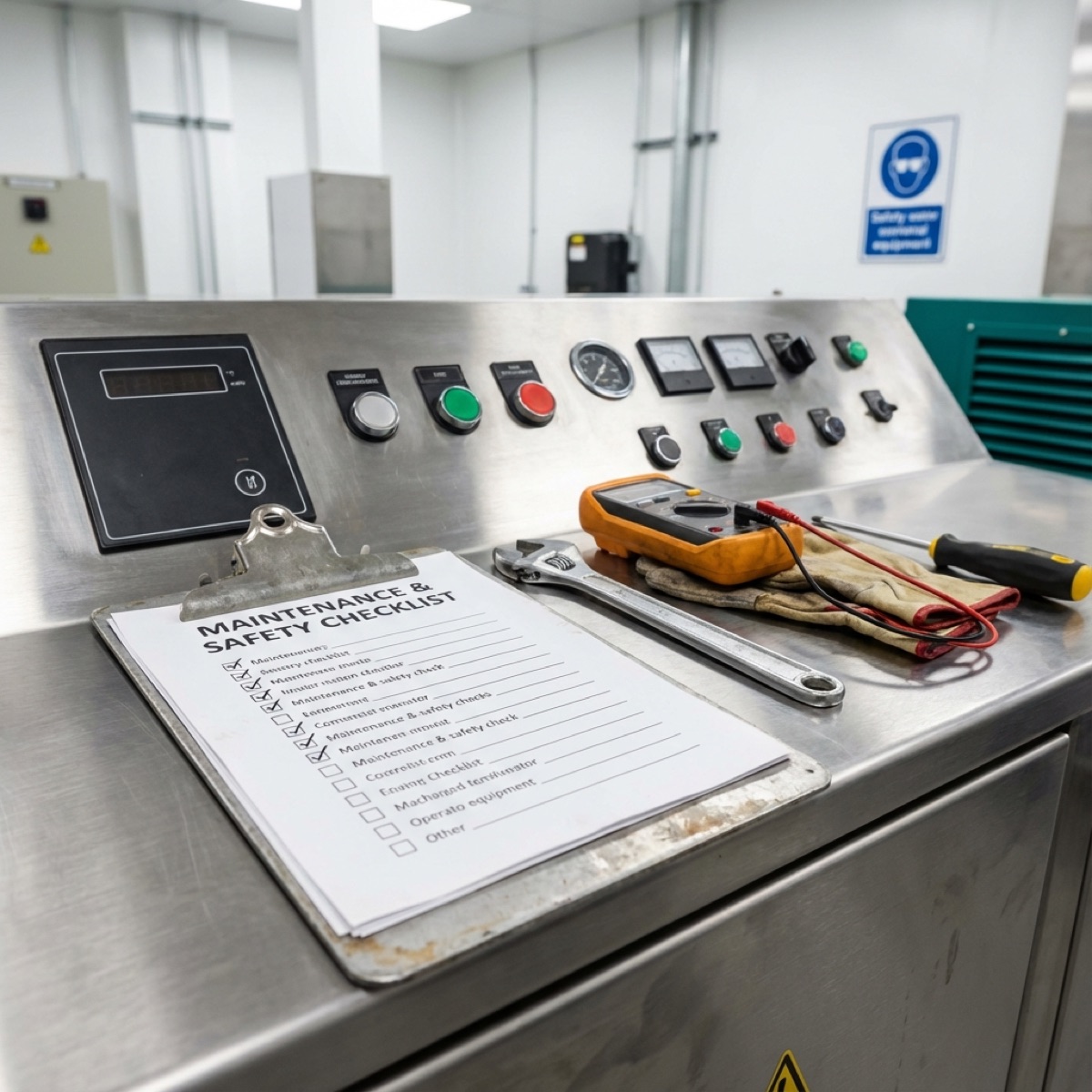
Create a simple paper checklist and laminate it. Stick it inside your van door. Tick it off every week with a whiteboard marker. When the EHO asks about your maintenance routine, you've got proof right there.
Monthly Checks (1 Hour)
Set a reminder for the first Monday of each month. These checks take longer but catch problems before they become emergencies.
Generator
- Oil change: Most generators need oil changed every 50-100 hours of use. If you're doing 4-5 events monthly, that's roughly monthly.
- Air filter: Remove and inspect. Tap out dust, replace if clogged. A dirty filter reduces power output by 10-15%.
- Spark plug: Remove and check the gap. Replace annually or if electrode is worn.
- Fuel system: If you haven't used it in a while, drain old fuel. Stale petrol is the number one cause of generator failures.
- Test run: Run it under load for 15 minutes. Better to discover problems at home than at a venue.
Deep Clean
- Extraction hood and filters: Soak in degreaser, scrub, rinse thoroughly.
- Behind equipment: Pull everything out, clean underneath. Grease buildup is a fire hazard.
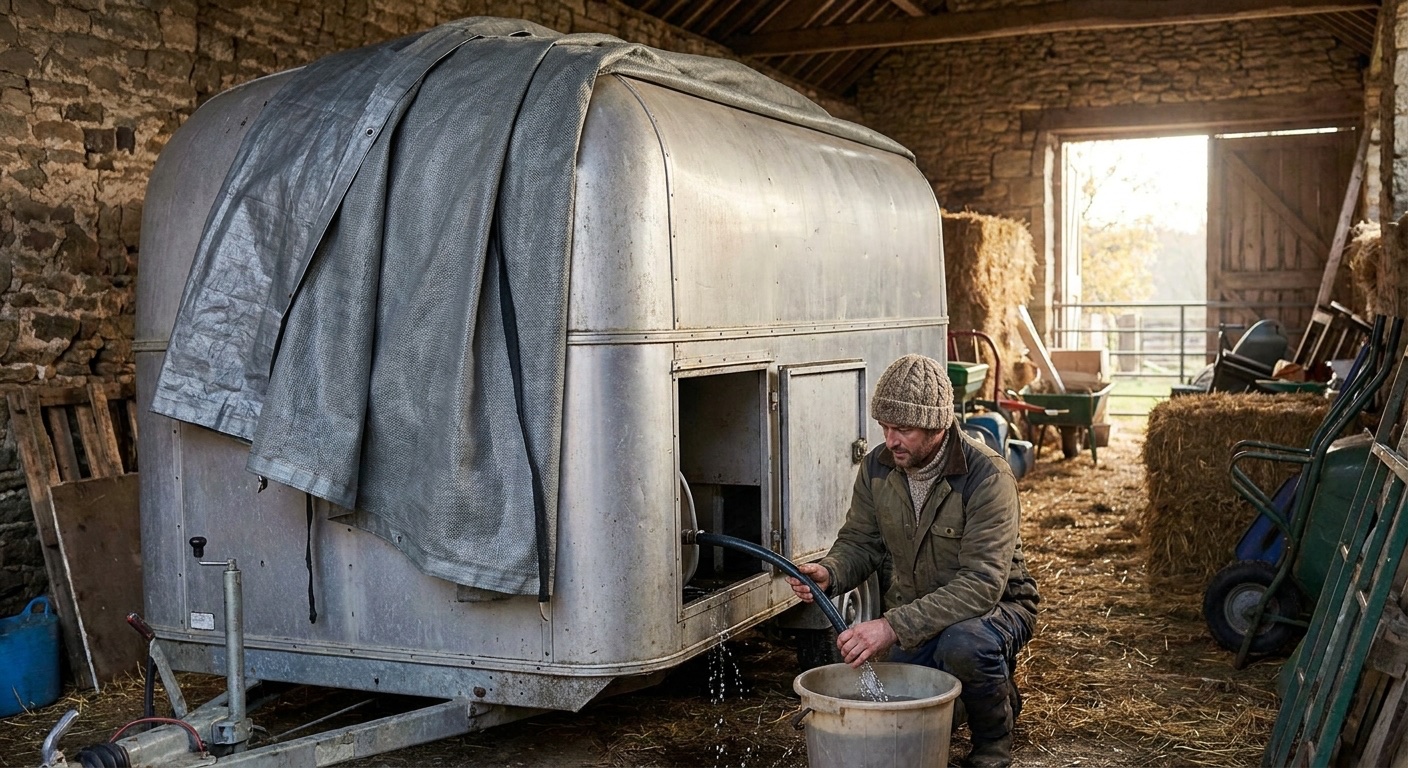
- Water system: If you have onboard water, flush the tank and sanitise monthly.
Seasonal Maintenance (Pre-Season and Post-Season)
Wedding season and Christmas markets are when you can least afford breakdowns. Get ahead of them.
Before Peak Season (March-April)
- Full vehicle service: Book it in February when garages are quieter. MOT, oil, filters, brakes—the lot.
- Gas safety check: Required annually anyway. Get your CP42 certificate sorted before you're too busy.
- PAT testing: All portable appliances. Most insurers require this annually.
- Fire extinguisher service: Check the date on your extinguishers. Replace or service as needed.
- Generator service: Full service including carburettor clean. Consider keeping a backup genny for peak season.
After Peak Season (October-November)
- Deep clean everything: You've been too busy during season. Now's the time.
- Repair list: Write down everything that needs fixing. Prioritise and tackle over winter.
- Winterise if storing: Drain water systems, disconnect batteries, use fuel stabiliser.
- Insurance renewal: Review your cover while you're thinking about equipment value.
The Emergency Kit
Even with perfect maintenance, things go wrong. Carry these in your van at all times:
- Spare fuses: For your van and all equipment. Label them clearly.
- Duct tape and cable ties: Temporary fixes for almost anything.
- Spare gas regulator: They fail without warning. £25 for peace of mind.
- Jump leads: Your battery will die at the worst possible moment.
- Basic tool kit: Screwdrivers, spanners, pliers, adjustable wrench.
- Torch and spare batteries: Festival fields are dark.
- Contact numbers: Mobile mechanic, generator repair, refrigeration engineer—saved in your phone.
Stay on Top of Maintenance
VendorPad helps you track equipment servicing, set maintenance reminders, and store all your certificates in one place. Never miss a gas check or PAT test again.
Start your free trialWhat This Actually Costs
Preventative maintenance isn't free, but it's far cheaper than emergency repairs. Here's a realistic annual budget:
| Item | Frequency | Cost |
|---|---|---|
| Vehicle service + MOT | Annual | £250-400 |
| Generator service | Annual | £80-150 |
| Gas safety certificate (CP42) | Annual | £60-100 |
| PAT testing | Annual | £40-80 |
| Consumables (oil, filters, etc.) | Ongoing | £50-100 |
| Total | £480-830 |
Compare that to a single generator replacement (£800-2,000) or a cancelled booking (£500-2,000 plus reputation damage). Maintenance is the cheaper option every time.
Making It Stick
The hardest part of maintenance isn't doing it—it's remembering to do it. Here's how to make it a habit:
- Calendar reminders: Set recurring reminders for monthly and seasonal checks.
- Link it to events: "Day before first event of the week = weekly check." No excuses.
- Keep records: A simple spreadsheet tracking what you checked and when. Useful for insurance claims too.
- Budget monthly: Put £50-70 aside each month for maintenance. When the big services come, the money's there.
Your equipment is your business. Treat it well, and it'll keep earning for you. Neglect it, and you'll pay—usually at the worst possible moment.