Your food looks amazing in person, but your photos look terrible. Good photography sells bookings, but you're not a photographer. Here's how to take photos that showcase your work—using just your phone.
Why Photos Matter More Than You Think
When someone's choosing between you and a competitor, they're not tasting your food. They're looking at pictures. Your photos are doing your selling before you even get a chance to speak to them.
Bad photos don't just fail to impress—they actively put people off. Blurry images, poor lighting, and cluttered backgrounds suggest you don't care about presentation. And if you don't care about your photos, clients wonder what else you're cutting corners on.
The good news? You don't need expensive equipment. Modern smartphones take remarkable photos when you know a few basic techniques.
Natural Light Is Everything
The single biggest improvement you can make to your food photography is using natural light. Forget the flash on your phone—it flattens everything and creates harsh shadows that make food look unappetising.
Position your food near a window with indirect sunlight. Direct sunlight creates harsh shadows, but light from a north-facing window or on an overcast day is perfect. The soft, even light makes colours pop and textures look inviting.
At events, this gets trickier. But even at a dimly lit venue, find the brightest spot for your hero shots. Near doorways, windows, or outside if possible. Those few well-lit photos are worth more than dozens of dark, grainy ones.
Clean Your Background
Nothing ruins a food photo faster than clutter. That stunning burger loses its impact when there's a bin bag visible in the corner, or your van's messy counter in the background.
Before you shoot, spend thirty seconds clearing the frame. Move anything that doesn't add to the image. A clean, simple background—whether it's a wooden board, a plain surface, or just grass at an outdoor event—keeps the focus on your food.
Invest in a couple of simple props: a nice wooden board, some neutral linen napkins, perhaps some fresh herbs for garnish. These cost almost nothing but instantly elevate your photos.
Pro Tip
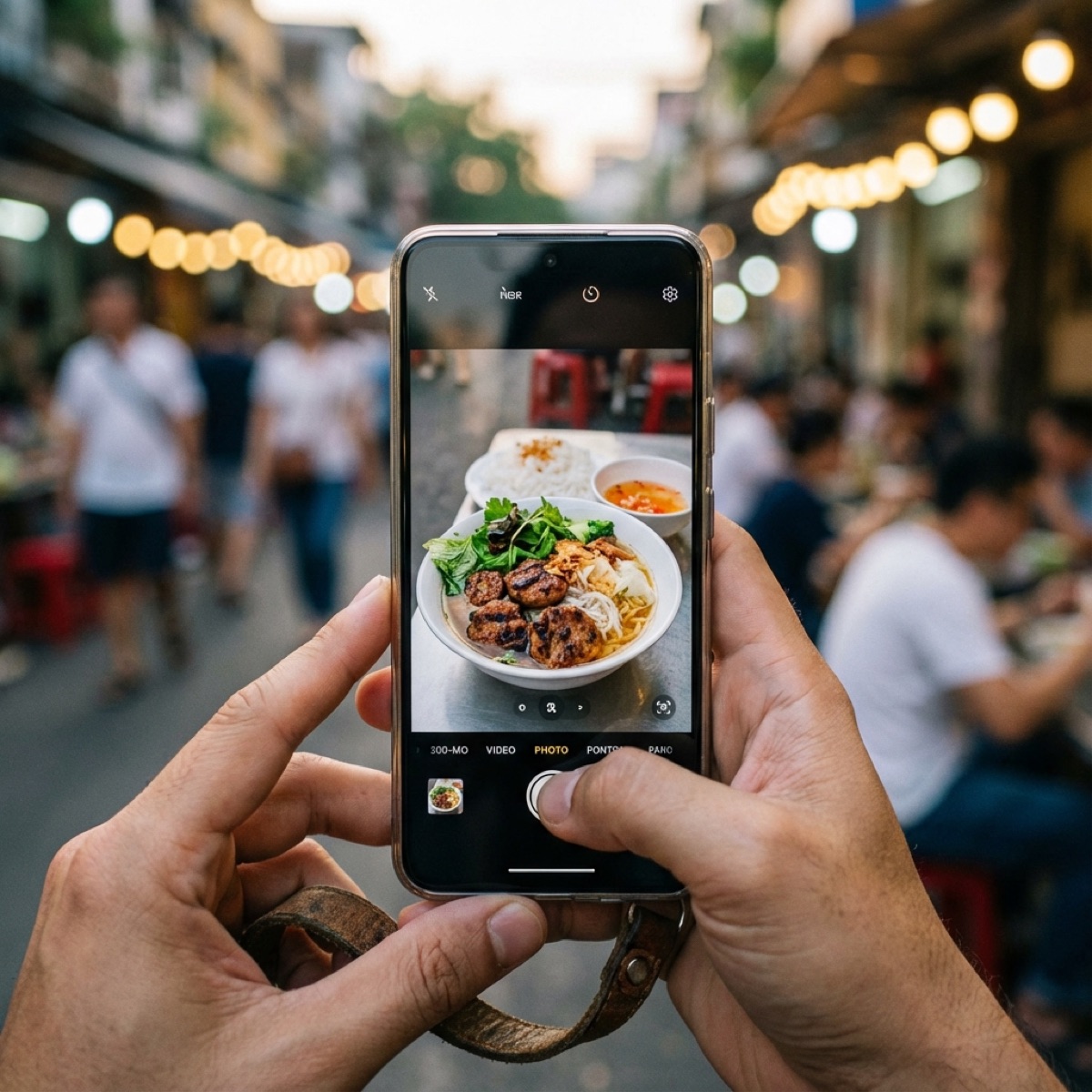
The best angle for food photography is usually 45 degrees—not straight down, not straight on. This angle shows depth and dimension while still displaying the dish attractively. For flat items like pizzas or platters, overhead works better.
Capture the Action
Static food photos are fine, but action shots tell a story. Steam rising from a fresh dish. Cheese pulling as someone lifts a slice. Sauce being drizzled. These images create appetite appeal that static shots can't match.
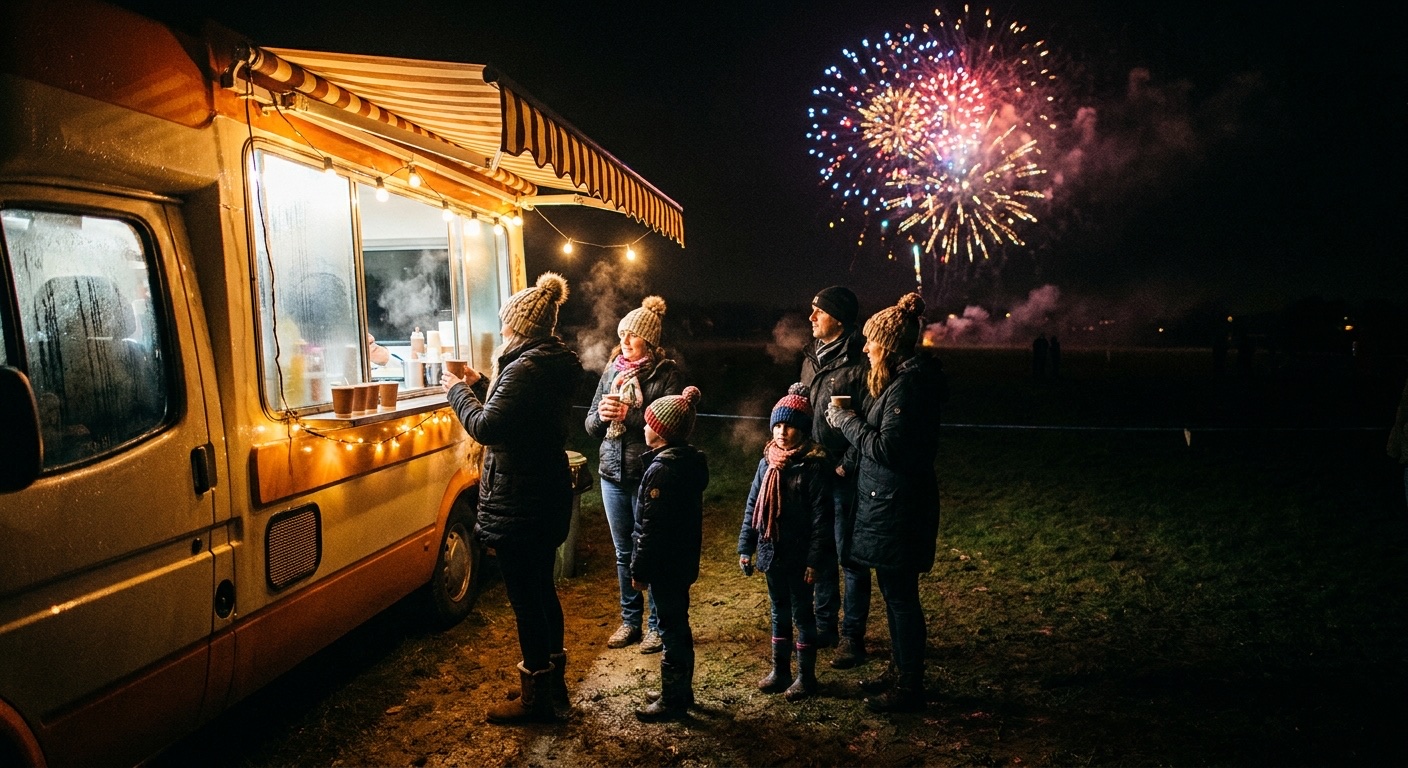
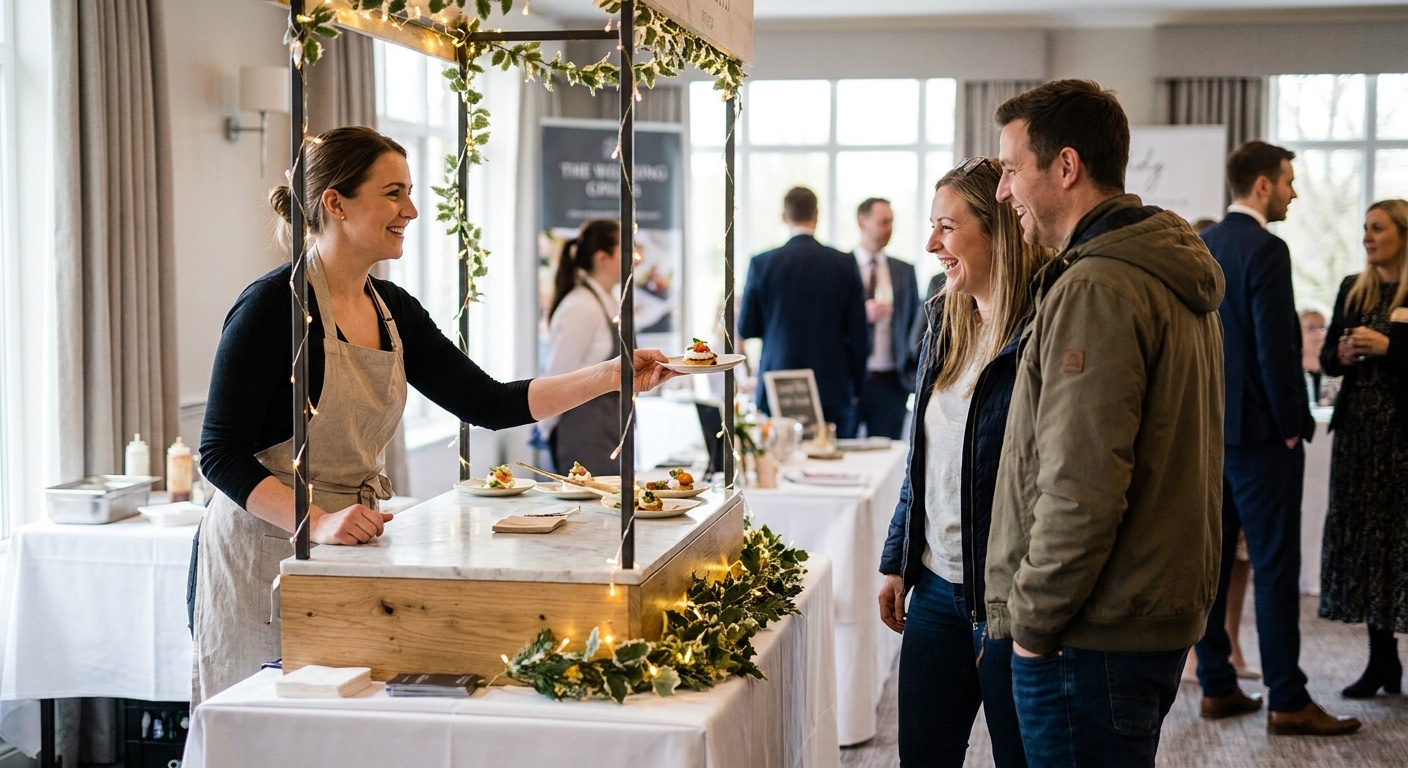
At events, capture people enjoying your food. Smiling customers, queues at your stall, the atmosphere of your setup. These photos show potential clients what booking you actually looks like—not just what the food looks like.
Always ask permission before photographing customers, especially at private events like weddings. Most people are happy to be in photos, but it's respectful to ask first.
Edit, But Don't Over-Edit
Every photo benefits from basic editing. Your phone's built-in editor can handle most adjustments:
- Brightness: Bump it up slightly if the image is dark
- Contrast: A small increase makes colours pop
- Saturation: A touch more saturation enhances food colours—but don't overdo it
- Crop: Remove distracting elements at the edges
- Straighten: Make sure horizons are level
The goal is enhancement, not transformation. If your burger looks radioactive orange after editing, you've gone too far. People should receive food that looks like your photos—not a disappointing comparison.
Build a Photo Routine
The vendors with the best photos aren't necessarily better photographers—they're more consistent. They've built photography into their routine rather than treating it as an afterthought.
At every event, make time for photos. Even just five minutes during setup when everything looks fresh, and a few shots during service. It becomes habit, and over time you build a library of quality images.
Create a simple shot list for events:
- Your setup before guests arrive (clean, organised, inviting)
- Hero shots of your best dishes
- Action shots during service
- Happy customers (with permission)
- Any special touches or presentation details
Use Your Best Photos Strategically
A hundred mediocre photos are worth less than ten excellent ones. Be ruthless about what you share. Your website, social media, and enquiry responses should only feature your best work.
Create a "best of" folder on your phone. When you get a great shot, add it immediately. These become your go-to images for quotes, social posts, and website updates.
Showcase your work professionally
VendorPad makes it easy to share your best photos with potential clients. Build a stunning portfolio that converts enquiries into bookings.
Start your free trialWhen to Hire a Professional
Phone photos are perfect for day-to-day social media and client communications. But for your website's hero images or printed materials, consider hiring a professional food photographer for a single session.
A two-hour shoot with a professional can give you a year's worth of premium marketing images. It's an investment, but the difference in quality is significant. Look for photographers who specialise in food—the techniques are quite different from portrait or wedding photography.
Final Thoughts
You don't need to become a professional photographer. You just need photos that accurately represent how good your food and service actually are. Right now, your photos might be underselling you.
Start with the basics: natural light, clean backgrounds, and consistent practice. Your photos will improve quickly, and so will your bookings. The vendors who invest time in their photography don't just look more professional—they are more professional. And clients can tell.