Everyone says save three months' expenses. But your income varies wildly—£2,000 one month, £8,000 the next. How do you save when you don't know what you'll earn? Here's a realistic savings strategy for vendors with variable income.
Why Standard Savings Advice Doesn't Work for Vendors
Most financial advice assumes steady income. Save 20% of your salary. Build three months' expenses. Max out your pension contributions.
That's fine if you're on a £40,000 salary with predictable monthly pay. But mobile vendors face a different reality:
- Seasonal swings: Summer might bring £8,000/month, January might bring £800
- Unpredictable bookings: A cancelled wedding or rained-out festival can wipe out expected income
- Irregular expenses: Equipment breaks, the van needs repairs, insurance renews
- No sick pay: If you can't work, you don't earn
You need a savings approach built for feast-and-famine cycles, not a steady salary.
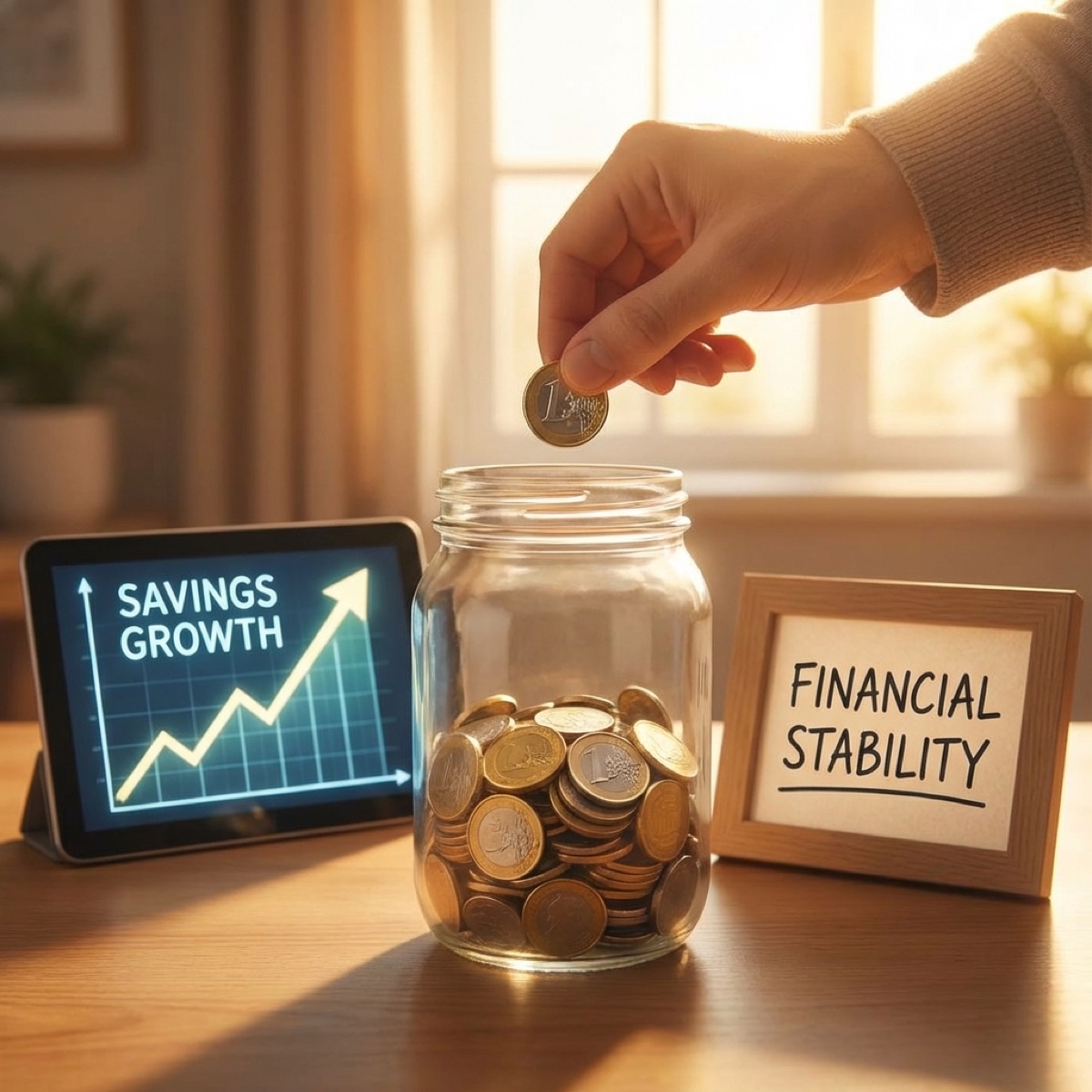
The Three Pots System
Instead of one savings account, think in three separate pots:
Pot 1: Tax Reserve
This isn't optional—it's money you'll owe. Set aside 25-30% of your profit for tax and National Insurance. This goes straight into a separate account the moment you get paid.
For a vendor making £40,000 profit, that's roughly £10,000-12,000 per year in tax. If that money sits in your current account, you'll spend it. Put it somewhere you can't easily touch.
Pot 2: Emergency Fund
This covers genuine emergencies: the van breaking down, equipment failure, a slow season that's even slower than expected, or personal emergencies that stop you working.
Target: three months of essential expenses. Not three months of income—three months of what you need to survive without working. That includes rent/mortgage, utilities, food, minimum debt payments, and essential business costs (insurance, storage, phone).
For most vendors, that's somewhere between £5,000 and £10,000.
Pot 3: Opportunity/Growth Fund
Once your emergency fund is full, this pot is for equipment upgrades, marketing investments, or expanding your business. It's also your buffer for taking calculated risks—like booking a more expensive festival pitch or investing in a new menu.
Pro Tip
Use separate savings accounts or pots within the same bank for each purpose. Name them clearly: "Tax 2024-25", "Emergency Fund", "Business Growth". Seeing the purpose helps you avoid dipping in for non-emergencies.
How Much to Save Each Month
Here's where the variable income makes things tricky. A percentage-based approach works better than fixed amounts.
The 50/30/20 Rule (Adapted)
After every event or invoice payment:
- 50% goes to covering costs and paying yourself a baseline "salary"
- 30% goes to tax reserve (covers income tax, NI, and VAT if applicable)
- 20% goes to savings (split between emergency fund and growth)
If you make £2,000 from a wedding, that's £600 straight to tax reserve and £400 to savings. The remaining £1,000 covers your costs and living expenses.
During busy months, you might save significantly more. During quiet months, you might save less or nothing—but you also shouldn't need to dip into savings if you've budgeted your baseline salary correctly.
Building Your Emergency Fund From Zero
If you're starting with nothing saved, here's a realistic path:
Phase 1: The Starter Buffer (£1,000)
Get £1,000 saved as fast as possible. This won't cover three months of expenses, but it stops small emergencies becoming crises. A tyre blowout or broken fridge shouldn't require a credit card.
During this phase, save aggressively. Skip the pub, delay equipment upgrades, put every extra pound towards hitting £1,000.
Phase 2: One Month's Expenses
Now build to one full month of essential expenses. This might be £2,500-4,000 depending on your situation. This gives you breathing room if a big booking cancels or the quiet season hits hard.
Phase 3: Three Months
Once you've hit one month, keep going to three. At this point, you can weather most emergencies without panic. Van breakdown? Covered. Slow January? You'll survive. Illness that keeps you off work for weeks? Stressful, but not financially catastrophic.
What Counts as an Emergency?
Be honest about what qualifies for emergency fund withdrawals:
Yes:
- Equipment breakdown that stops you working
- Vehicle repairs needed for events
- Medical emergency affecting your ability to work
- Covering bills during an unexpectedly quiet month
No:
- Upgrading equipment you want but don't need
- A holiday (that's the growth fund, once it exists)
- A business opportunity (also growth fund)
- Christmas presents (budget for those separately)
If you dip into your emergency fund, your first priority is building it back up.
Saving for Retirement (Yes, Really)
This one's easy to ignore when you're focused on surviving the next quiet season. But future-you will be grateful if present-you starts now.
Self-employed people can contribute to a personal pension and get tax relief at their marginal rate. If you pay basic rate tax, a £80 contribution becomes £100 in your pension. Higher rate? Even better.
Start small. Even £50-100 per month adds up over decades. Increase it as your business grows. The earlier you start, the more compound growth does the heavy lifting.
Track what you're saving
VendorPad shows your income patterns over time, making it easy to see seasonal trends and plan your savings accordingly. No more guessing what you can afford to set aside.
Start your free trialPractical Tips for Variable Income
A few strategies that help vendors save consistently:
- Pay yourself a consistent salary: Set a baseline monthly amount you take from the business. In good months, the excess stays in the business. In bad months, you've already got a buffer
- Automate tax savings: The moment payment hits your account, transfer the tax portion. Don't wait until you've "seen what's left"
- Review quarterly: Adjust your savings rate based on how the year is going. Good summer? Increase savings. Tough season? It's okay to pause (but not raid the emergency fund)
- Separate accounts: Keep business savings separate from personal. Seeing "business account: £15,000" when £8,000 is owed in tax creates false confidence
Common Mistakes
Avoid these savings pitfalls:
- Saving nothing during busy months: "I'll save when things slow down" means you never save. Busy months are when you build the buffer
- Raiding the tax fund: That money was never yours. Treat it as already spent
- Setting unrealistic targets: Saving 50% of income sounds great until you can't pay rent. Be realistic about your baseline needs
- No system: "I'll save what's left over" means nothing's left over. Automate or it won't happen
Final Thoughts
Saving with variable income requires a different mindset. You can't rely on the same amount going in each month. But you can create systems that automatically save a percentage of whatever does come in.
Start with tax (non-negotiable), build your emergency fund (essential), then think about growth and retirement (important, but secondary).
The vendors who thrive aren't necessarily the ones making the most money. They're the ones who save during the good times so the bad times don't break them. That could be you—one automatic transfer at a time.