Christmas markets can be your most profitable time of year—or your most stressful. Here's how to maximise your earnings during the festive season, from stock planning to weather contingencies.
Why Christmas Markets Matter
For many mobile vendors, the Christmas market season generates a significant chunk of annual revenue. The combination of festive atmosphere, cold weather driving demand for hot food and drinks, and high footfall creates ideal trading conditions.
But Christmas markets are also demanding. Long hours, cold conditions, and high stakes mean you need to be properly prepared. The vendors who thrive during the festive season are those who plan ahead and execute well.
Securing the Right Pitches
The best Christmas market pitches get booked months in advance. If you're not already on organisers' radar, start building those relationships now for next year.
Research Your Options
Not all Christmas markets are equal. Consider:
- Footfall: Established markets in city centres draw bigger crowds
- Duration: Some run for a single weekend; others span several weeks
- Costs: Pitch fees vary enormously—make sure the numbers work
- Competition: How many other food vendors will be there?
- Facilities: Power, water, waste disposal—what's provided?
Apply Early
Popular markets open applications in spring or summer. Keep a calendar of application deadlines and submit early. Include professional photos, your menu, and any testimonials or press coverage.
Menu Planning for Winter
Your summer festival menu might not work at a December market. Cold, hungry shoppers want warming comfort food.
What Sells Well
- Hot drinks—mulled wine, hot chocolate, specialty coffees
- Warming street food—bratwurst, hog roast, loaded fries
- Sweet treats—churros, waffles, doughnuts
- Comfort classics—mac and cheese, stews, pies
Streamline for Speed
Christmas markets get busy. Simplify your menu to items you can serve quickly. Long queues lose customers; fast service maximises sales. Consider pre-portioning and batch cooking where quality allows.
Pro Tip
Price for the occasion. Christmas market customers expect to pay a bit more—it's part of the festive experience. Don't undercut yourself. Premium presentation justifies premium prices.
Stock Management
Getting stock levels right is crucial. Run out and you lose sales; over-order and you're left with waste.
Planning Your Stock
- Research expected footfall from the organiser
- Look at weather forecasts—rain dramatically affects turnout
- Plan for peak times (typically late afternoon and evenings, weekends)
- Have contingency suppliers who can deliver quickly if you run low
Daily Adjustments
For multi-day markets, review sales each evening. Adjust your orders based on actual performance rather than sticking rigidly to initial estimates. Weather changes, day of week, and proximity to Christmas all affect demand.
Weather Preparation
December weather is unpredictable. You need to be ready for cold, wind, rain, and possibly snow.
Protect Your Setup
- Secure gazebos and signage against wind
- Waterproof covers for equipment and stock
- Lighting for dark afternoons and evenings
- Non-slip matting for your serving area
Keep Yourself Warm
You can't serve customers well if you're freezing. Invest in proper winter workwear—thermal layers, waterproof outer layers, insulated boots. Hand warmers help. Take breaks to warm up.
Staffing for the Season
Christmas markets often require longer hours than typical events. Plan your staffing carefully.
- Book reliable staff early—everyone needs help during the festive season
- Plan shift patterns that keep people fresh without excessive hours
- Have backup staff available for illness or no-shows
- Factor staff costs into your pitch fee calculations
Maximising Peak Times
Christmas markets have distinct busy and quiet periods. Understanding these patterns helps you staff appropriately and maximise sales.
Typical Patterns
- Weekday lunchtimes: Moderate—office workers grabbing lunch
- Weekday evenings: Busy—after-work shoppers and socialising
- Saturdays: Busiest—peak shopping day
- Sundays: Busy but shorter hours usually
- Final weekend before Christmas: Extremely busy
Use Quiet Times Wisely
Quieter periods are for restocking, cleaning, and preparing for the next rush. Don't waste peak time on tasks you could do when it's quiet.
Track your Christmas market performance
VendorPad helps you record sales, track which markets perform best, and plan for next year's season based on real data.
Start your free trialPresentation Matters
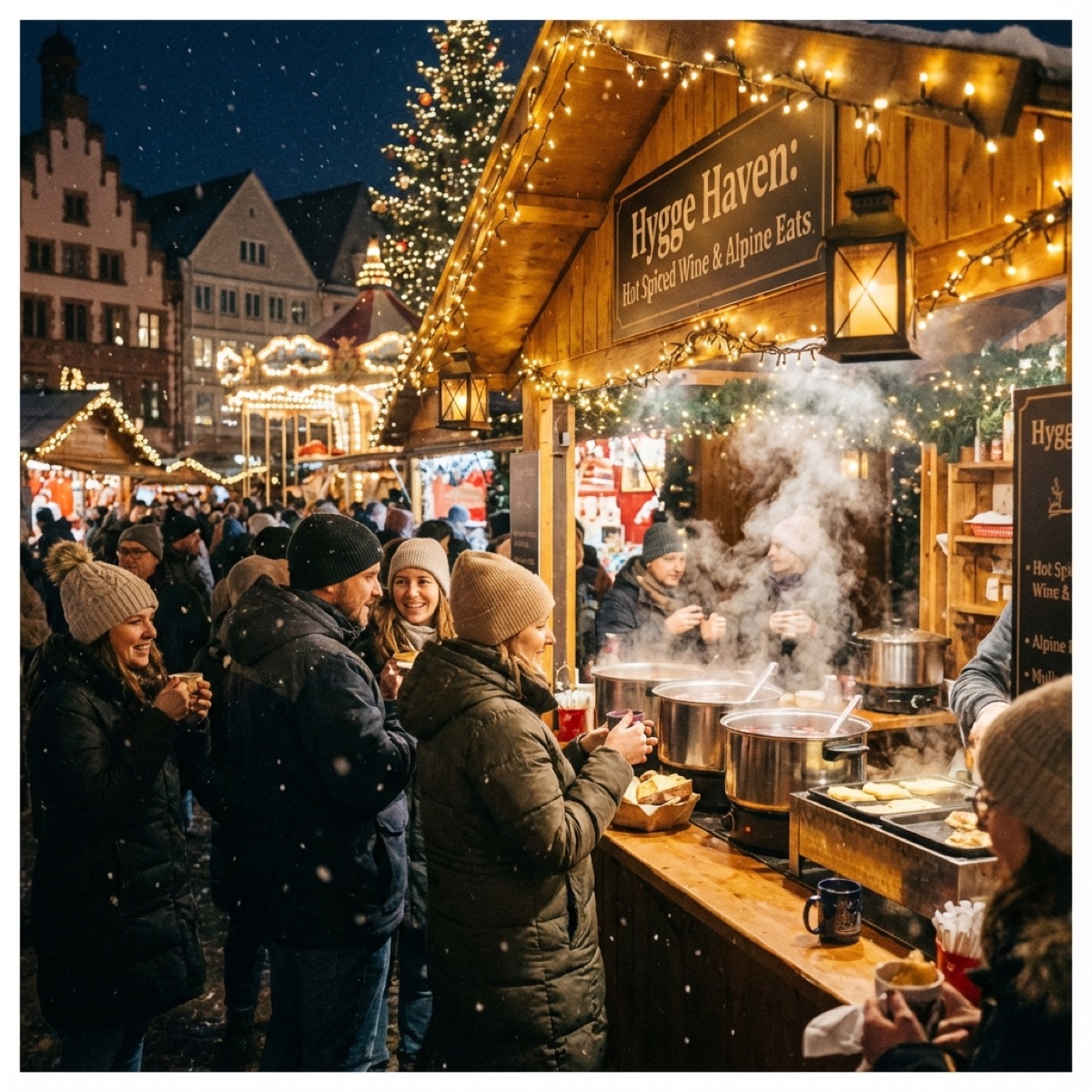
Christmas markets are about atmosphere. Your stall should contribute to the festive feel.
- Festive decorations that match your brand
- Warm lighting—fairy lights work brilliantly
- Clear, attractive menu boards visible from a distance
- Aromas—the smell of your food is powerful marketing
A well-presented stall attracts customers even when they weren't planning to buy. First impressions matter in a crowded market.
Payment and Cash Handling
Busy markets mean handling lots of transactions quickly.
- Card payments are essential—many people don't carry cash
- Have a reliable card reader with mobile data (don't rely on venue WiFi)
- Keep sufficient float for cash transactions
- Secure cash regularly—don't keep large amounts on the stall
- Consider contactless payment limits for speed
Learning for Next Year
Keep records during the season:
- Daily sales figures
- What sold well and what didn't
- Weather conditions and their impact
- Staff performance and any issues
- Notes on the market itself—would you return?
This information is invaluable for planning next year. The vendors who consistently profit from Christmas markets are those who learn and improve each season.
Final Thoughts
Christmas market season is demanding but rewarding. The vendors who succeed plan thoroughly, execute professionally, and adapt to conditions as they find them.
Start preparing early. Secure good pitches, plan your menu and stock carefully, prepare for winter weather, and staff appropriately. Look after yourself and your team during long cold days. And keep records so each year you get better at making the festive season profitable.