January and February are quiet. You're not getting many bookings, but your bills don't stop. Here are strategies to keep money coming in during the off-season—without burning yourself out.
The Reality of Seasonal Business
Most mobile catering businesses are inherently seasonal. Weddings cluster between May and September. Festivals happen in summer. Even corporate events slow down over winter. This creates a feast-and-famine pattern that can be financially challenging.
The vendors who thrive year-round aren't necessarily busier in the off-season—they've planned for the quiet months and diversified their income where it makes sense.
Build Reserves During Busy Season
The most fundamental off-season strategy isn't about finding new work—it's about managing your busy season income properly.
When you're earning well in summer, set aside money specifically for winter. Calculate your monthly fixed costs (insurance, storage, finance payments, personal living expenses) and ensure you have enough saved to cover the quiet months.
This isn't glamorous advice, but it's the foundation. Without reserves, you're forced to take any work available, often at poor margins, just to survive.
Winter Event Opportunities
While summer events dominate, winter has its own opportunities if you know where to look.
Corporate Events
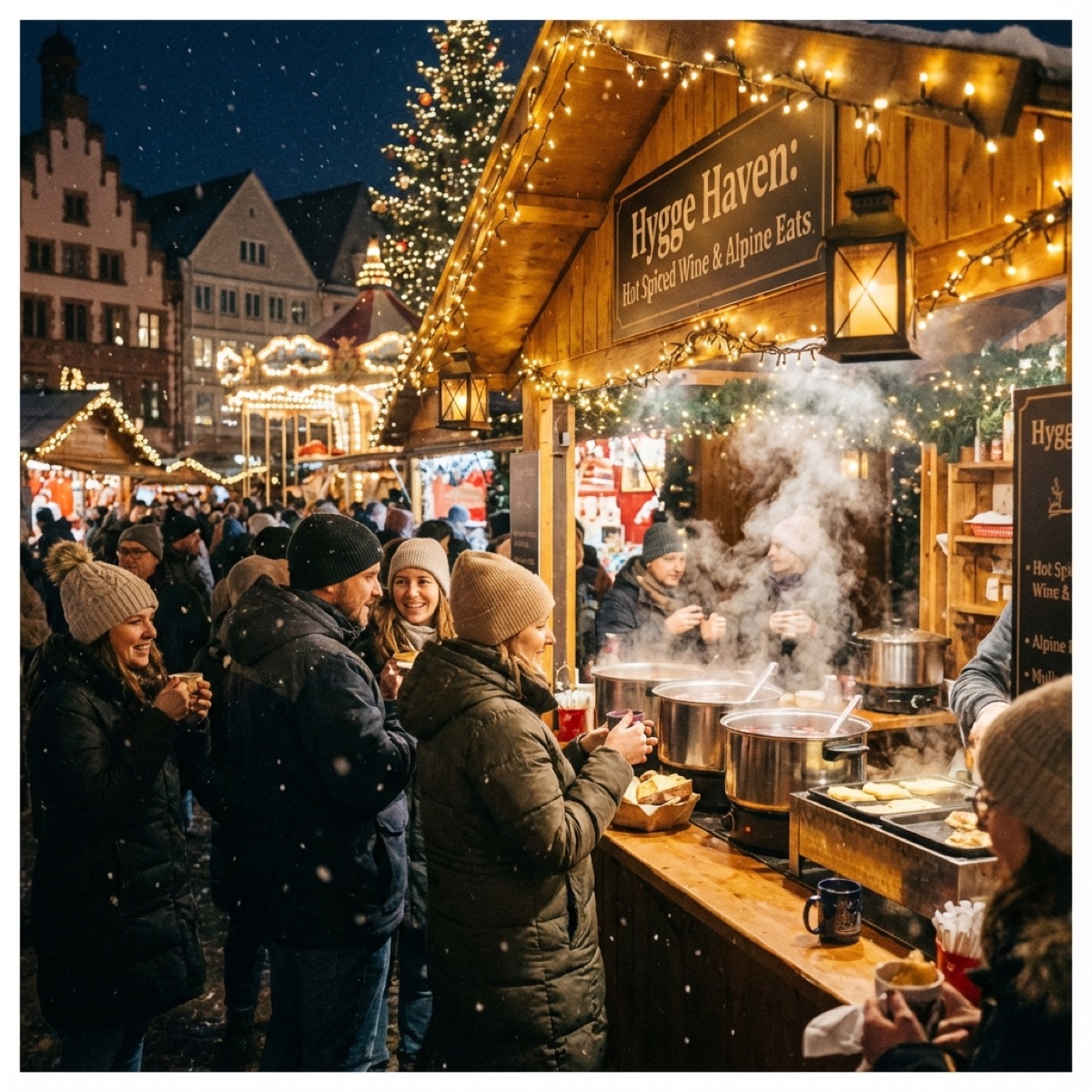
Many businesses have budget to use before the financial year ends. Corporate Christmas parties, team events, and winter conferences happen throughout November, December, and into January. Marketing to corporate clients can help fill quieter months.
Winter Weddings
Winter weddings are increasingly popular—venues are cheaper, and some couples prefer the cosy atmosphere. Position yourself to attract off-season couples. Consider offering winter-specific menus and perhaps modest discounts that still protect your margins.
Indoor Events
While outdoor festivals stop, indoor events continue. Food halls, private venue hire, indoor markets, and sports events run year-round. Look for opportunities that don't depend on good weather.
Pro Tip
Network with venue managers now about their winter event calendar. Being on their radar when they're looking for caterers for corporate events can fill gaps in your diary.
Pop-Up Opportunities
Pop-ups can provide income during quieter periods without the commitment of a permanent premises.
Brewery and Pub Residencies
Many pubs and breweries without their own kitchens welcome food vendors. A regular weekend residency provides steady income and exposure to new customers. The venue benefits from increased drinks sales; you benefit from their footfall.
Office Park Pop-Ups
Business parks and office complexes often lack good lunch options. A weekly lunchtime pop-up can build a loyal following. Approach property management companies about using car park or forecourt space.
Retail Collaborations
Shops, garden centres, and retail destinations sometimes host food pop-ups to drive footfall. These can work particularly well around Valentine's Day, Easter, and other retail peaks.
Private Hire and Small Events
Events you might turn down during busy season become more attractive when your calendar is empty.
- Birthday parties and anniversaries
- Small corporate team events
- Dinner parties at private homes
- Wake catering
These smaller events may not match your peak-season rates, but they contribute to cash flow. Adjust your minimum spend or offer packages suited to smaller gatherings.
Meal Prep and Delivery
Some vendors successfully pivot to meal prep services during quiet months. Weekly meal prep boxes, ready-to-heat dinners for busy families, or subscription services can provide steady winter income.
This requires different logistics than event catering—regular production schedules, delivery routes, packaging. But if you have kitchen access and the demand exists locally, it's worth considering.
Use Downtime Productively
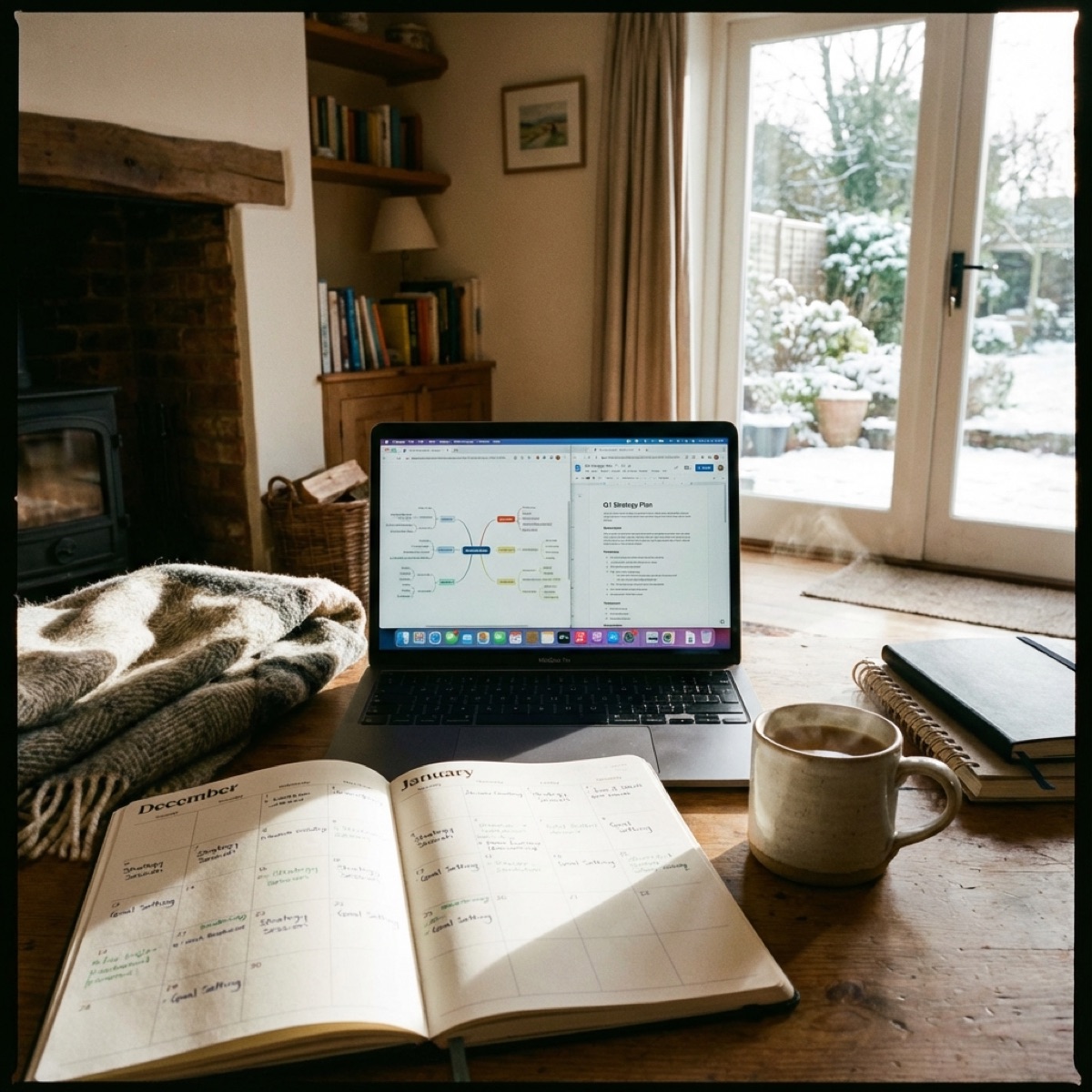
If generating income in the off-season proves difficult, use the time productively instead.
Equipment Maintenance
Deep clean and service everything. Replace worn items. Make repairs you've been putting off. Your equipment will be in peak condition when the busy season starts.
Business Development
- Update your website and portfolio
- Create marketing materials for the coming season
- Develop new menu items and test recipes
- Build relationships with venues and planners
- Attend trade shows and networking events
Training and Development
Take courses, update certifications, learn new skills. The off-season is ideal for professional development that you can't fit in when you're busy with events.
Plan for year-round success
VendorPad helps you track seasonal patterns, manage finances across the year, and identify opportunities during quieter periods.
Start your free trialConsider Complementary Income
Some vendors maintain other income sources that they can scale up during quiet months and scale down during busy season.
- Part-time work in commercial kitchens
- Consulting or training for other food businesses
- Food photography or content creation
- Equipment hire to other vendors
This isn't about abandoning your business—it's about having flexibility. Income from other sources reduces pressure to take unprofitable bookings just to pay bills.
Don't Undervalue Yourself
When bookings are scarce, the temptation is to slash prices to win any work available. Be careful with this approach.
Deep discounting can:
- Attract clients who won't pay full price when you're busy again
- Damage your positioning as a premium service
- Create expectations of low prices that are hard to reverse
- Still leave you unprofitable after costs
Better to work less and protect your rates than to work constantly at margins that don't sustain your business.
Rest and Recharge
Finally, don't undervalue rest. If you've worked intensely all summer, you need recovery time. Burnout is real, and pushing through exhaustion into the off-season helps no one.
Take a proper break. Spend time with family and friends. Recharge so you're energised for the next season. A rested vendor makes better decisions and delivers better service.
Final Thoughts
The off-season is part of the reality of mobile catering. The vendors who navigate it successfully plan ahead, diversify sensibly, and use quiet time productively.
Save during busy months. Pursue winter opportunities that make sense for your business. Use downtime for maintenance, development, and rest. Accept that a seasonal business has seasons—and that's okay.