You're serving food to the public, but you're not sure if your food hygiene certificate is up to date—or if you even have the right level. Here's everything UK mobile caterers need to know about food hygiene certification.
Why Food Hygiene Certification Matters
Food hygiene certification isn't just about ticking a box. It's about protecting your customers, your business, and yourself. Serving unsafe food can make people seriously ill—and can destroy your reputation overnight.
Beyond the moral responsibility, there are practical reasons to take food hygiene seriously. Many venues and event organisers require proof of certification before they'll book you. Your public liability insurance may be invalid if you're not properly trained. And environmental health officers can shut you down if they find hygiene problems during an inspection.
Understanding Hygiene Rating Levels
Food hygiene certificates come in different levels. Understanding which you need depends on your role in the business.
Level 1: Food Hygiene Awareness
This is the basic introduction to food safety. It covers fundamental principles like handwashing, avoiding cross-contamination, and proper food storage. Level 1 is appropriate for staff who handle low-risk foods or have minimal food preparation duties.
Level 2: Food Hygiene and Safety
This is the standard certificate for anyone working in food preparation. It covers food safety hazards, temperature control, personal hygiene, cleaning procedures, and pest control. Most mobile caterers and their staff should have Level 2 certification as a minimum.
Level 3: Supervising Food Safety
Level 3 is for supervisors and managers responsible for food safety in a business. It covers HACCP principles (Hazard Analysis and Critical Control Points), implementing food safety management systems, and training staff. If you're running a mobile catering business, Level 3 is worth considering.
Level 4: Managing Food Safety
This advanced qualification is for senior managers in larger food businesses. Most mobile vendors won't need Level 4 unless they're running a substantial operation with multiple staff.
Pro Tip
For most mobile vendors, Level 2 is the practical minimum. If you're the business owner handling food prep, get Level 2. If you hire staff to help at events, they should also have Level 2. Consider Level 3 if you want to demonstrate serious commitment to food safety.
How to Get Certified
There are several ways to obtain food hygiene certification, each with different costs and time commitments.
Online Courses
Online courses are the most convenient and often cheapest option. Providers like Highfield, CIEH (Chartered Institute of Environmental Health), and various accredited training companies offer Level 2 courses that can be completed in a few hours from home.
Costs typically range from £15-50 for Level 2 online courses. You study at your own pace and take an online exam at the end. Certificates are usually available immediately upon passing.
Classroom Courses
Classroom training offers face-to-face instruction, typically over half a day or a full day. Local colleges, private training providers, and some councils offer these courses. They're more expensive (often £50-100+) but some people prefer the structured learning environment.
Accredited Providers
Whichever route you choose, ensure the provider is accredited. Look for courses certified by bodies like Highfield Qualifications, CIEH, RSPH (Royal Society for Public Health), or City & Guilds. These qualifications are widely recognised and accepted by environmental health authorities.
Do Certificates Expire?
Technically, food hygiene certificates don't have a legal expiry date. However, best practice recommends refreshing your training every three years. Food safety regulations and best practices evolve, and refresher training ensures you stay current.
Many venues and organisers ask when your certificate was issued. A certificate from several years ago might raise questions, even if it's technically still valid. Keeping your training current demonstrates ongoing commitment to food safety.
Food Safety Management Systems
Beyond personal certification, you need a documented food safety management system for your business. This is a legal requirement for all food businesses in the UK.
The Food Standards Agency provides a free resource called "Safer Food, Better Business" which includes pack formats specifically for caterers and mobile vendors. This guides you through creating records for:
- Temperature monitoring of fridges and hot food
- Cleaning schedules
- Supplier information
- Staff training records
- Dealing with problems and complaints
Keeping these records isn't just bureaucracy—they protect you during environmental health inspections and demonstrate due diligence if anything goes wrong.
Registering Your Food Business
Before you start trading, you must register your food business with your local authority. This is free and must be done at least 28 days before you start operating. Registration is required regardless of whether you're operating from a fixed premises, a food truck, or cooking at home.
Registration triggers your local environmental health team to schedule an inspection. Don't fear this—it's an opportunity to get feedback on your operation and identify any improvements needed.
Food Hygiene Ratings
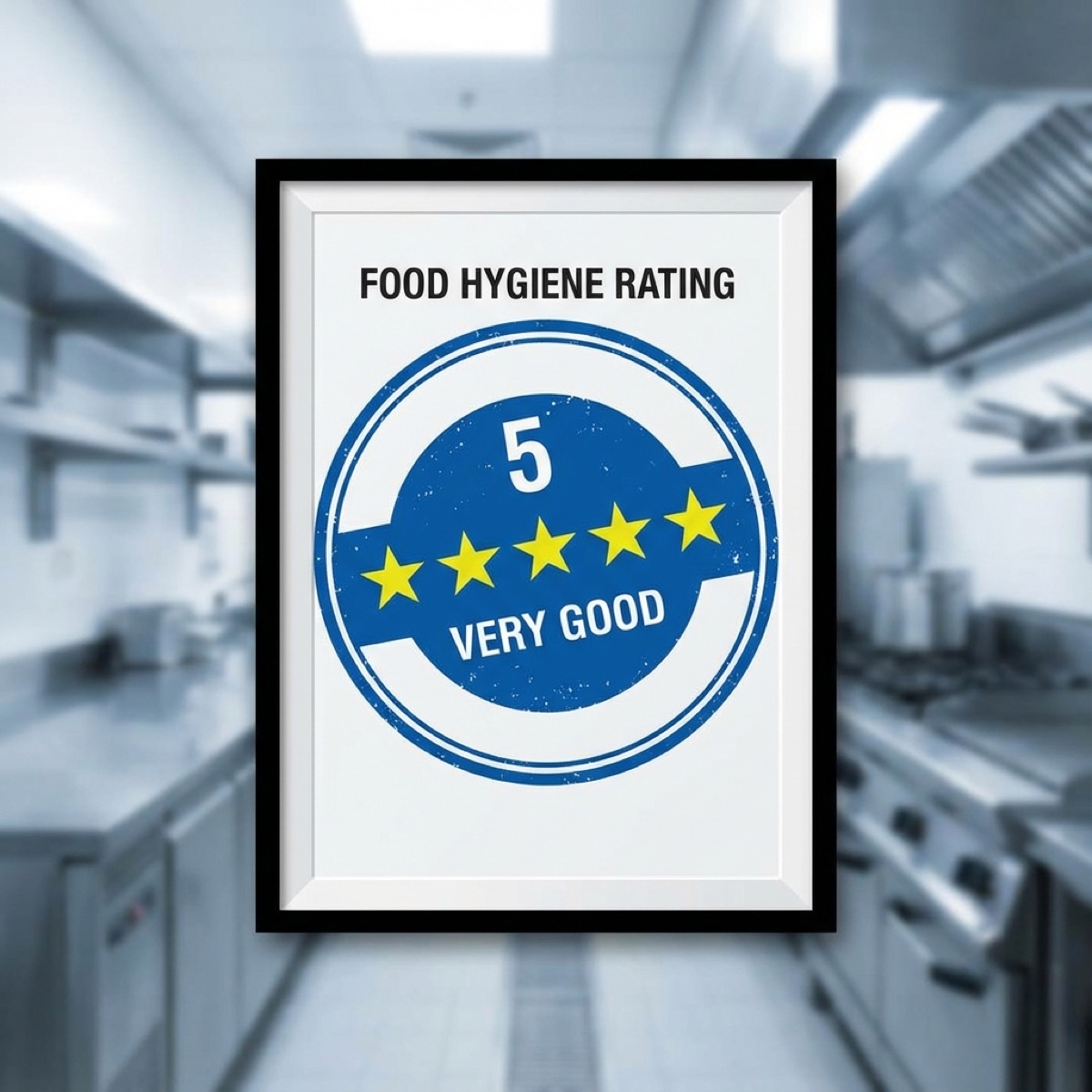
After inspection, you'll receive a food hygiene rating from 0 to 5. This rating is based on:
- Hygiene practices: How food is handled, prepared, and stored
- Structural compliance: The condition and cleanliness of your premises/vehicle
- Confidence in management: Your food safety documentation and training
A rating of 5 ("very good") signals to customers that you take food safety seriously. Many clients and venues specifically ask for vendors with high ratings. Displaying your rating prominently is required in Wales and Northern Ireland, and voluntary but encouraged in England.
Stay compliant and organised
VendorPad helps you track certifications, document compliance, and manage all the paperwork that keeps your business running legally.
Start your free trialAllergen Awareness
Food allergen training is increasingly important. UK law requires food businesses to provide accurate allergen information to customers. Allergen awareness is covered in Level 2 food hygiene courses, but dedicated allergen training is also available and worth considering.
You must know which of the 14 major allergens are present in your dishes and be able to communicate this clearly to customers. Getting this wrong can be fatal—several deaths in the UK have resulted from incorrect allergen information.
Practical Tips for Mobile Vendors
Mobile catering presents unique food safety challenges. Keep these considerations in mind:
- Water supply: Ensure adequate clean water for handwashing and food preparation
- Waste disposal: Plan how you'll dispose of waste water and rubbish at events
- Temperature control: Maintain cold chain from prep kitchen to service, and keep hot food hot
- Power reliability: Fridges and freezers need consistent power—have contingency plans
- Handwashing facilities: Essential at every event—hand sanitiser alone isn't sufficient
Final Thoughts
Food hygiene certification is a foundation of running a legitimate mobile catering business. Get properly trained, keep your records in order, and take food safety seriously. The small investment in training and documentation protects your customers, your reputation, and your business.
If you're not certified or your training is outdated, make it a priority. A Level 2 course takes just a few hours and costs less than the profit from a single event. It's a small price for the confidence of knowing you're doing things properly—and the credibility it gives you with clients and venues.