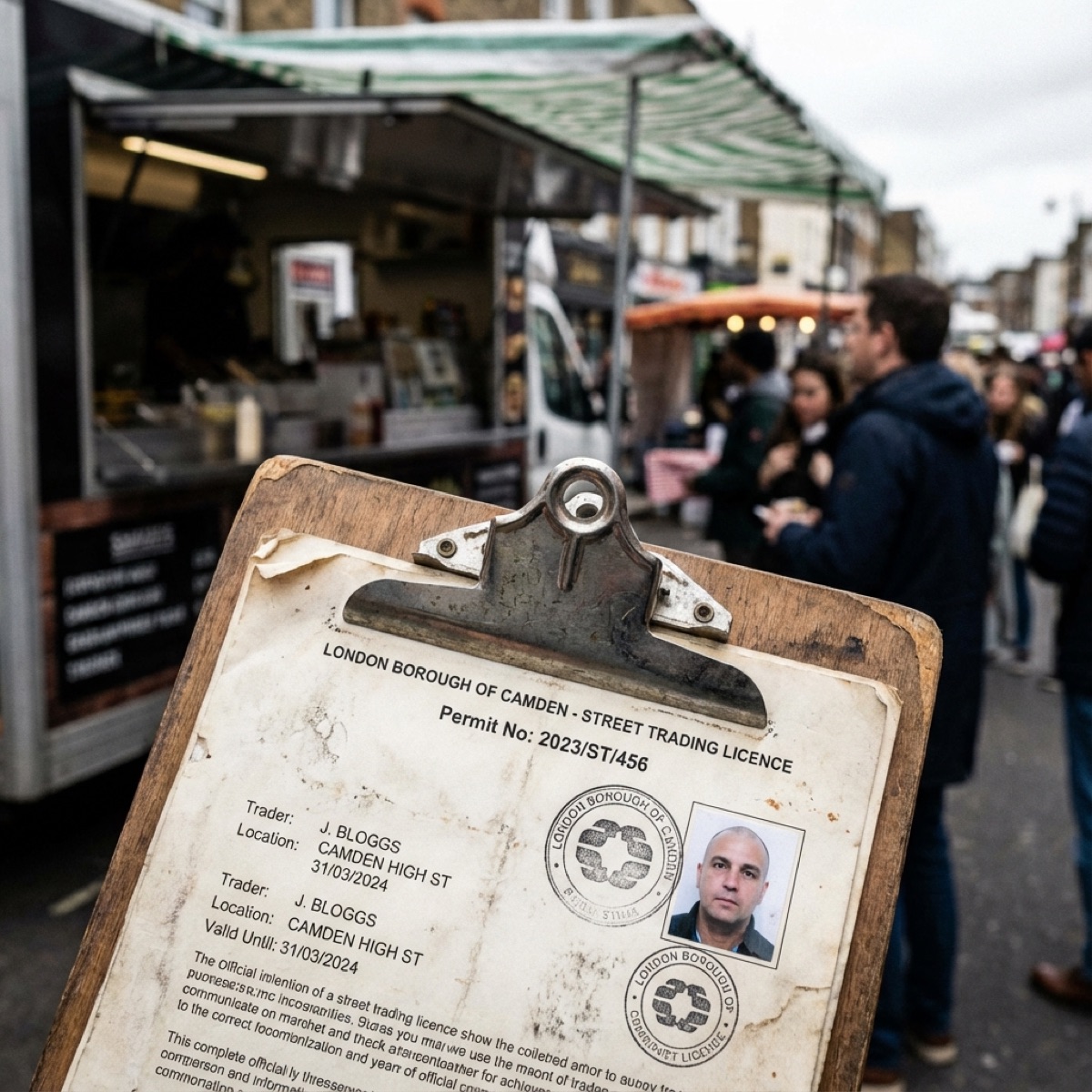
You want to trade at markets, but you're not sure if you need a street trading licence. The rules vary by council, and it's confusing. Here's a complete guide to street trading licences across the UK—and how to navigate the application process.
What Is Street Trading?
Street trading means selling goods or services in a public place. This includes trading from a stall, vehicle, trailer, or even a simple table on a street, market, or other public area.
Local councils regulate street trading under the Local Government (Miscellaneous Provisions) Act 1982. Each council decides how strictly to apply these rules, which is why requirements vary so much across the country.
Getting it wrong isn't a minor issue. Trading without a required licence can result in fines, confiscation of goods, and prosecution. It's worth taking the time to understand what's required where you want to trade.
How Councils Classify Streets
Councils designate streets into different categories that determine licensing requirements:
Prohibited Streets
No street trading allowed at all. These are typically busy high streets, pedestrianised areas, or locations where trading would cause obstruction or safety issues.
Consent Streets
Trading is allowed if you obtain consent from the council. This is the most common category for areas where street trading is permitted. You'll need to apply for a street trading consent before you can operate.
Licence Streets
Some councils use a formal licensing system rather than consents. The process is similar but may involve more detailed applications and conditions.
Undesignated Streets
Streets that the council hasn't designated at all. In theory, you can trade without consent in these areas, but they're increasingly rare as most councils designate their streets.
Pro Tip
Check your specific council's website for their street trading policy and street designations. This information is usually in the licensing section. If in doubt, call the council's licensing team directly—they'd rather answer questions than prosecute you later.
When You Might Not Need a Licence
Several situations are typically exempt from street trading requirements:
- Private land: Trading on private property with the landowner's permission usually doesn't require street trading consent (though other permissions may apply)
- Organised markets: If you're trading at an established market with a market operator, they typically hold the necessary permissions
- News vendors: Selling newspapers and periodicals is usually exempt
- Charity collections: Though separate permits may be required
- Farmers selling their own produce: Often exempt, but rules vary
Private events on private land—like weddings, festivals on farmland, or corporate events—generally don't require street trading consent. But you still need food business registration and all the usual food hygiene requirements.
Applying for Street Trading Consent
The application process varies by council, but typically involves:
Application Form
You'll need to provide details about yourself, your business, what you're selling, where you want to trade, and when. Some councils have online applications; others require paper forms.
Supporting Documents
Common requirements include:
- Proof of identity (passport, driving licence)
- Proof of address
- Photos of your stall or vehicle
- Public liability insurance certificate
- Food hygiene certificate (for food vendors)
- Food business registration confirmation
- Gas safety certificate (if using LPG)
Fees
Councils charge for street trading consents. Fees vary enormously—from under £100 to several hundred pounds per year. Some charge daily rates for occasional trading, which can work out cheaper if you're not trading regularly.
Processing Time
Allow plenty of time. Some councils process applications in a few weeks; others take months. Many consult with police, highways, and environmental health before granting consent. Don't assume you'll get approval in time for an event next week.
Conditions Attached to Consents
Street trading consents usually come with conditions. Common ones include:
- Specific trading location (sometimes marked precisely)
- Trading hours (often restricted)
- Types of goods you can sell
- Appearance standards for your stall or vehicle
- Waste disposal requirements
- Display of consent certificate
- Maintaining public liability insurance
Breaching conditions can result in your consent being revoked. Read the conditions carefully and make sure you can comply with them all.
Trading at Markets
If you're trading at an organised market rather than independently on the street, the situation is usually simpler.
Market operators typically hold the necessary street trading permissions (or the market is on private land). Your arrangement is with the market operator, who charges you a pitch fee and ensures the market itself is properly licensed.
However, you still need your own food business registration, food hygiene certification, and insurance. The market permission doesn't cover these personal business requirements.
Track your licences and consents
VendorPad helps you manage all your trading permissions, certificates, and renewal dates in one place. Never miss a deadline or show up without required documents.
Start your free trialTrading Across Multiple Areas
If you trade in different council areas, you may need separate consents for each. A consent from Manchester doesn't allow you to trade in Liverpool.
This is one reason many mobile vendors focus on private events and organised markets rather than independent street trading. The administrative burden of multiple consents can be significant.
Some areas have reciprocal arrangements or regional schemes, but these are the exception rather than the rule. Always check with each council where you want to trade.
What Happens If You Trade Without Consent
Enforcement varies by council, but potential consequences include:
- Warning: For first offences, some councils issue warnings
- Fixed penalty notice: On-the-spot fines, typically £100-150
- Prosecution: Court action with potential fines up to £1,000
- Seizure: Goods and equipment can be confiscated
Beyond legal consequences, trading illegally damages your reputation. Word spreads in the vendor community, and legitimate market operators won't want to work with traders who cut corners on licensing.
Temporary Event Notices vs Street Trading
Don't confuse street trading consents with Temporary Event Notices (TENs). TENs are for selling alcohol at events, not for street trading generally. If you're selling alcohol, you may need both a TEN and street trading consent, depending on the circumstances.
Final Thoughts
Street trading licensing is more complex than many vendors expect. The rules vary significantly between councils, and what's allowed in one area might be prohibited in another.
Before committing to any street trading location, research the specific council's requirements. Apply early—processing times can be long. And keep your consent documents with you when trading; enforcement officers can ask to see them at any time.
For most mobile food vendors, organised markets and private events are simpler than independent street trading. But if street trading is part of your business model, invest the time to understand and comply with the licensing requirements. It's far less hassle than dealing with enforcement action.