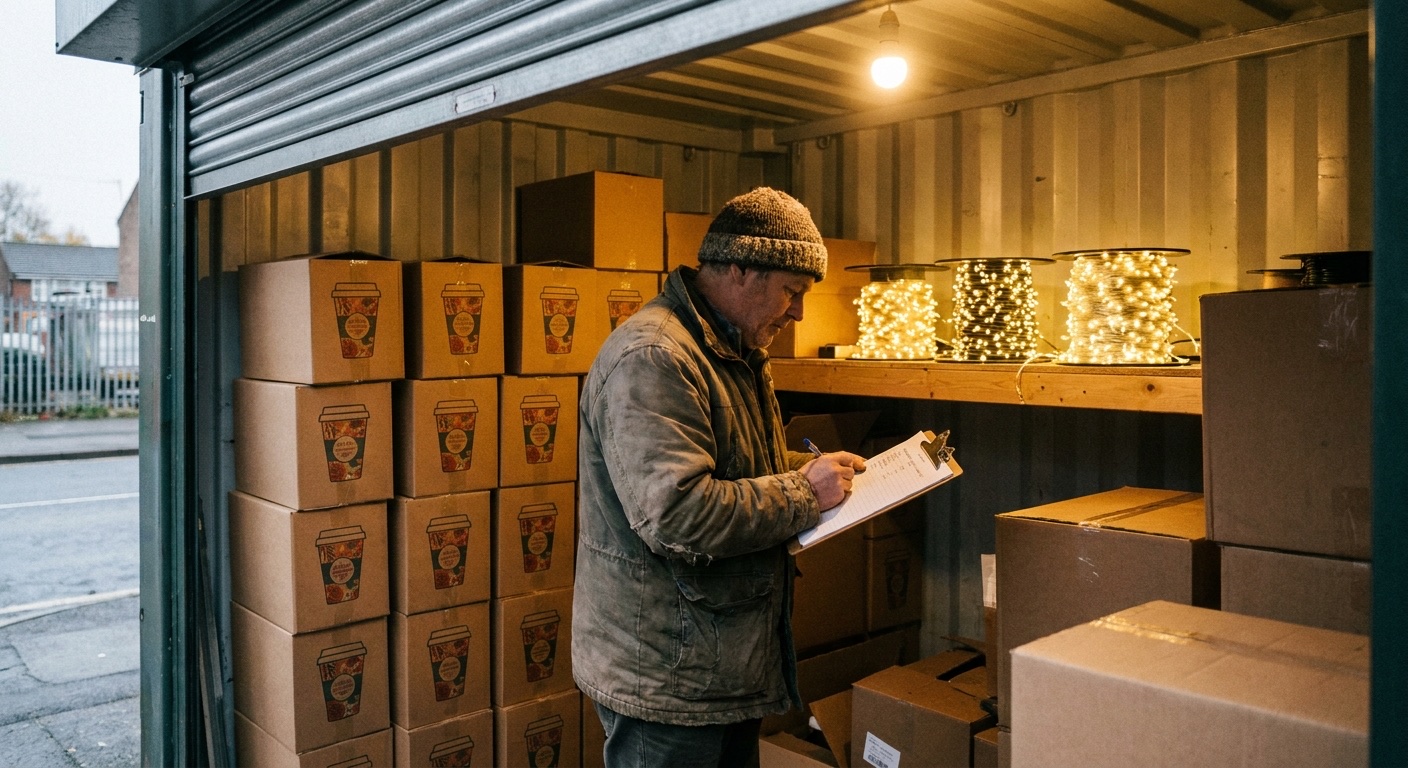
After a decade in the mobile vending business, certain truths become clear. The lessons that seemed counterintuitive in year one become obvious by year ten. Here's what veteran vendors wish they'd known sooner—wisdom that could save you years of learning the hard way.
On Pricing
"Charge more. Seriously."
Every veteran vendor says the same thing: they undercharged for years. Not a little—a lot. The fear of losing bookings kept prices low, but here's what they learned: raising prices by 20% rarely costs you 20% of bookings. Often it costs you nothing—or attracts better clients.
"Cheap clients are expensive."
The clients who haggle hardest often cause the most problems. They question every invoice, complain about portions, and leave mediocre reviews despite getting a bargain. Premium-paying clients tend to be easier to please, more appreciative, and better referral sources.
"Your time has value—count it."
Early on, vendors price based on food cost and ignore their time. A "profitable" £500 booking that takes 20 hours of prep, travel, and admin pays £25/hour. Is that what your expertise is worth?
💡 Pro Tip
"I spent three years undercharging because I was scared of losing bookings. When I finally raised prices 30%, I lost one regular client and attracted three better ones. My only regret is not doing it sooner." — Mobile caterer, 12 years in business
On Work-Life Balance
"Burnout is real, and it creeps up."
Year one, the adrenaline carries you. Year three, you're exhausted but pushing through. Year five, you hate your job. Veteran vendors learned to pace themselves: fewer events, higher prices, actual days off. The business survives—and so do they.
"Block your calendar before clients do."
If you don't schedule your own time off, it won't happen. Block weekends for family, holidays for rest. When an enquiry comes in for a blocked date, the answer is simple: "Sorry, already booked." You don't owe anyone an explanation.
"Your health is your business."
One vendor told me: "I worked through a back injury for two years. Eventually it forced me to stop for six months. If I'd taken two weeks off when it started, I'd have saved myself years of pain and lost income."
On Clients
"Not every client is your client."
Trying to serve everyone means serving no one well. Veterans learned to identify their ideal client and focus on attracting more of them. If your thing is relaxed festival food, stop chasing formal corporate dinners.
"Trust your gut about red flags."
That uneasy feeling about a potential client? Trust it. Experienced vendors can usually tell by the third email whether someone will be a dream or a nightmare. Listen to that instinct.
"Repeat clients are gold."
Acquiring a new client costs time and money. A returning client costs neither. Veterans prioritise keeping existing clients happy over chasing new ones. The 80/20 rule applies: 20% of your clients probably generate 80% of your revenue.
On Operations
"Systems beat hustle."
In year one, you can survive on hard work alone. By year five, that's not sustainable. Veterans invest in systems: standardised prep lists, reusable templates, documented processes. Working smarter becomes more valuable than working harder.
"Maintenance is cheaper than repair."
Every veteran has a horror story about equipment failing at the worst moment. Now they're religious about maintenance schedules. A £200 annual service beats a £2,000 emergency repair every time.
"Simple menus make money."
New vendors often have 15 items on their menu. Veterans have five. Fewer items means faster service, less waste, better quality, and more profit. Complexity is the enemy of execution.
Build Systems That Scale
VendorPad gives you the operational systems that veteran vendors wish they'd had from day one. Quotes, invoices, scheduling, and client management—sorted.
Start your free trialOn Growth
"Bigger isn't always better."
Some vendors scaled to multiple vans, staff teams, and six-figure revenues—then scaled back down. More revenue often meant more stress, more complexity, and less profit per hour. The sweet spot varies, but bigger isn't automatically better.
"The best marketing is excellence."
Veterans spend less on advertising than you'd think. Their best marketing is doing exceptional work. Word of mouth, referrals, and repeat clients carry them. The reputation they built over years keeps the phone ringing.
"Relationships compound."
That venue coordinator you impressed in year two? Still sending referrals in year ten. That wedding planner you helped out? Now a regular source of bookings. Relationships take time to build, but their value grows exponentially.
On Mindset
"Comparison is the thief of joy."
Instagram makes it look like everyone else is crushing it. Veterans learned to focus on their own path. Some competitors have more followers but less profit. Others seem successful but are drowning in debt. Run your own race.
"Bad days pass. So do bad seasons."
Cancelled bookings, equipment failures, terrible weather, difficult clients—they all pass. Veterans have perspective: they've survived worse and thrived after. Resilience comes from experience.
"It's okay to love it and hate it."
Even after a decade, veterans have days when they question everything. That's normal. The key is whether the good days outnumber the bad ones over time. Passion ebbs and flows—what matters is whether you'd still choose this career.
The Bottom Line
If veterans could give their younger selves one piece of advice, it usually comes down to this:
- Charge what you're worth. You'll lose fewer clients than you fear.
- Protect your time and health. The business needs you functioning.
- Build relationships. They're worth more than any marketing spend.
- Keep it simple. Complexity rarely pays off.
- Play the long game. Sustainable beats spectacular.
You don't have to wait ten years to apply these lessons. The vendors who grow fastest are the ones who learn from others' experience rather than insisting on making every mistake themselves.
Ten years from now, you'll look back and see which lessons shaped your success. Why not start applying them today?