You spend hours perfecting a dish, put it on the menu, and nobody orders it. Meanwhile, your simplest item flies out. Menu engineering isn't about cooking better—it's about understanding what makes people buy. Here's how to design a menu that sells.
What Is Menu Engineering?
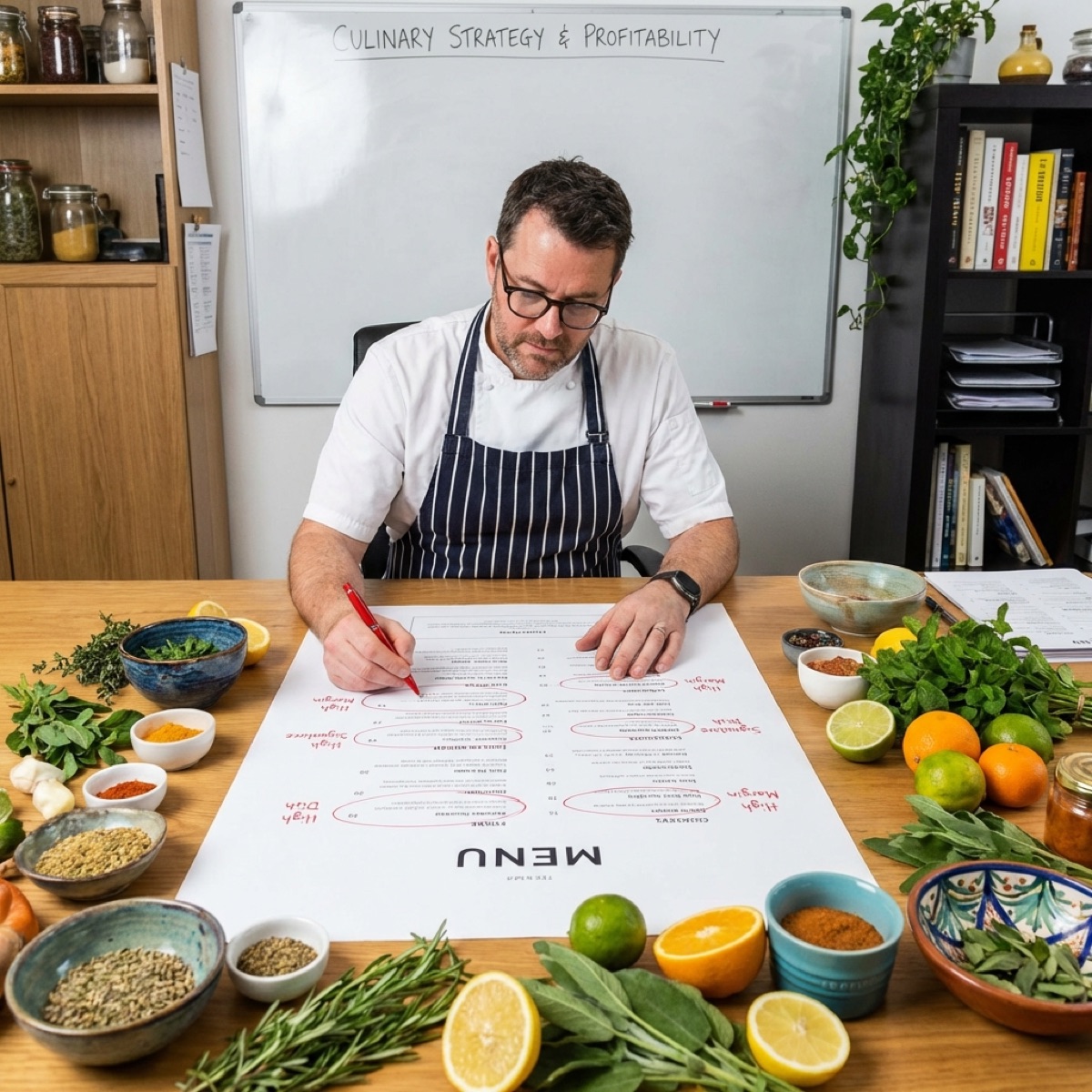
Menu engineering is the study of how menu design, pricing, and positioning affect what customers order. Restaurants have used these principles for decades. Mobile vendors can apply them too—whether you're designing a festival menu board or a wedding package.
The goal: guide customers toward items that are both popular and profitable.
The Menu Matrix
Every menu item falls into one of four categories:
| Category | Popularity | Profitability | Strategy |
|---|---|---|---|
| Stars | High | High | Promote heavily, protect the recipe |
| Plowhorses | High | Low | Increase price or reduce cost |
| Puzzles | Low | High | Better positioning or rename |
| Dogs | Low | Low | Remove or replace |
To categorise your items, you need to know two things: how often each item sells (popularity) and how much profit each sale generates (contribution margin).
Calculating Item Profitability
For each menu item:
- Calculate food cost: Add up every ingredient at current prices.
- Calculate selling price: What you charge the customer.
- Calculate contribution margin: Selling price minus food cost.
- Calculate food cost percentage: (Food cost ÷ selling price) × 100
Example: A burger sells for £9. Ingredients cost £2.70. Contribution margin: £6.30. Food cost percentage: 30%.
For mobile vendors, aim for 25-35% food cost. Below 25% might mean portions are too small. Above 35% eats into your profit.
💡 Pro Tip
Your bestseller might not be your most profitable item. A £6 item with £4 margin beats a £12 item with £3 margin—if you sell twice as many. Track both volume and margin.
Psychology of Menu Design
The Golden Triangle
When people look at a menu, their eyes move in a predictable pattern: middle first, then top right, then top left. Place your most profitable items in these "hot spots."
Anchor Pricing
Put a high-priced item at the top. It makes everything else seem reasonable by comparison. Even if nobody orders the £18 special, it makes the £12 option feel like good value.
Decoy Effect
Three pricing tiers work better than two. If you offer Small (£6) and Large (£10), add a Medium (£9). Most people pick the middle—but now the middle is £9, not a mental average of £8.
Remove Currency Symbols
Studies show "12" feels less expensive than "£12.00". If your menu allows, drop the pound sign.
Descriptions That Sell
"Burger" vs "Handmade beef patty with aged cheddar, house-smoked bacon, and secret sauce." Same item, different perceived value. Descriptive language can increase sales by 27%.
Mobile Vendor-Specific Strategies
Keep It Short
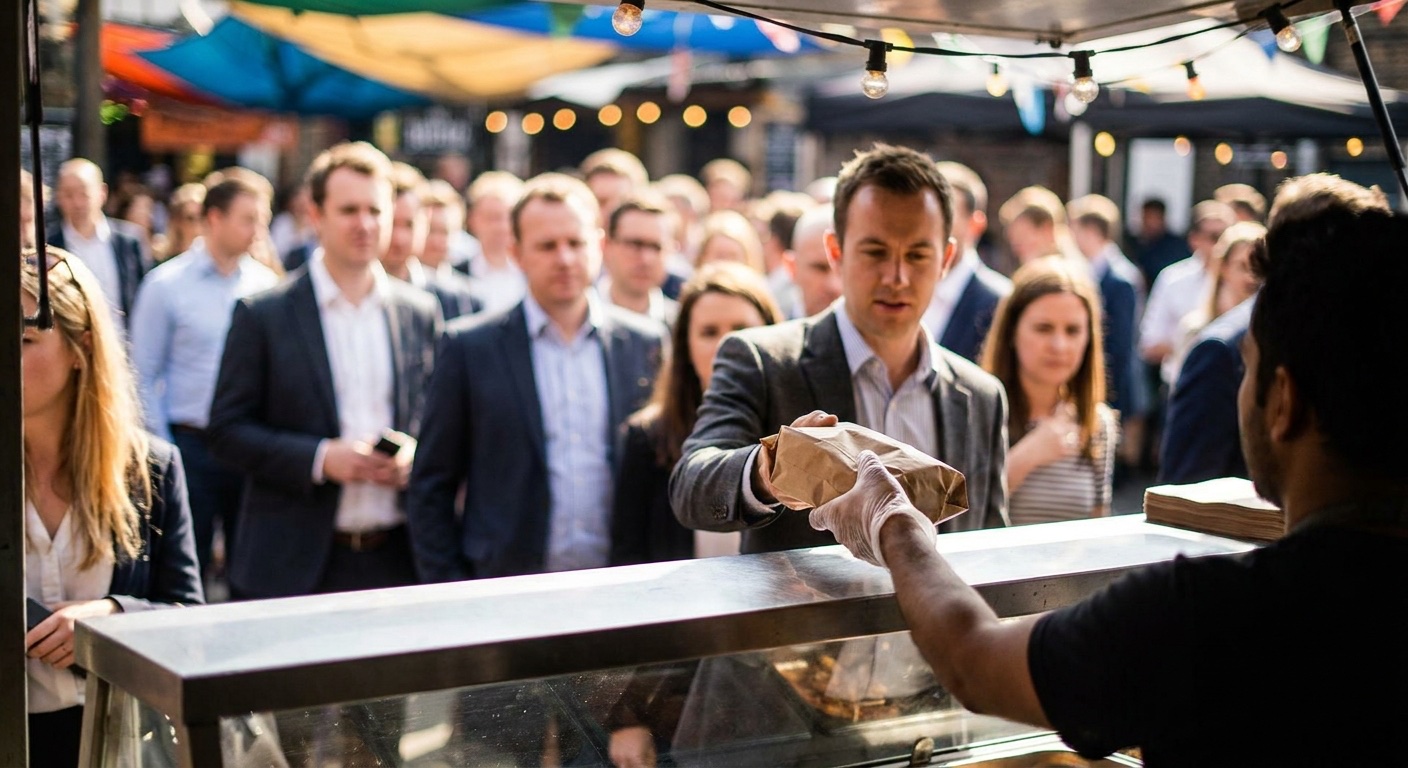
Festival queues don't have time to read 20 options. 5-8 items maximum. Fewer choices mean faster decisions, shorter queues, and more sales per hour.
Make the Default Profitable
When someone says "I'll have a [main item]," what comes with it by default? Make sure that default combination is your most profitable configuration.
Strategic Add-Ons
"Add bacon for £1.50" is almost pure profit. Design add-ons that are:
- Easy to prepare (don't slow you down)
- High margin (bacon, cheese, sauces)
- Easy to say yes to (small price increment)
Combo Deals
"Main + drink + side for £12" (vs £14 bought separately). You increase average transaction value while customers feel they're getting a deal. Both win.
Track What Actually Sells
VendorPad helps you track sales by item, calculate margins, and identify your stars and dogs. Make data-driven menu decisions, not guesses.
Start your free trialTesting and Iterating
Menu engineering isn't set-and-forget. Continuously improve:
- A/B test pricing: Try £8.50 vs £9 for a weekend. See what happens to sales and profit.
- Rotate puzzles: Give underperforming items a new name, description, or position.
- Seasonal adjustments: What sells at a summer festival differs from a winter market.
- Ask customers: "What made you choose that?" reveals insights data can't.
Common Mistakes
- Too many items: Decision fatigue kills sales. Simplify ruthlessly.
- Pricing by feeling: "That feels about right" isn't a strategy. Calculate your costs.
- Ignoring the dogs: Sentimental attachment to dishes nobody orders wastes menu space.
- Competing on price: Being cheapest attracts price-sensitive customers. Being best attracts loyal ones.
- Not updating: Ingredient costs change. Your prices should too.
Action Steps
- List all your menu items with food cost and selling price.
- Calculate contribution margin for each.
- Track sales volume for 10+ events.
- Plot items on the menu matrix.
- Develop strategies for each category.
- Redesign your menu based on findings.
- Test, measure, repeat.
A well-engineered menu doesn't just taste good—it sells well and generates profit. That's the difference between cooking as a hobby and running a successful food business.