Sustainability isn't just a buzzword—it's becoming a booking requirement. More event organisers are asking about your environmental practices, and customers notice when you're making an effort. The good news? Many sustainable changes actually reduce your costs. Here's where to start.
Why It Matters for Your Business
Beyond doing the right thing, sustainability directly affects your bottom line:
- Event requirements: Many festivals and corporate clients now require vendors to meet sustainability standards. No compliance, no booking
- Customer preference: A 2025 Deloitte survey found 65% of UK consumers actively choose businesses with visible sustainability practices
- Cost reduction: Less waste means less spending on supplies, disposal, and fuel
- Differentiation: In a competitive market, being genuinely eco-conscious is a selling point that's hard to fake
Packaging and Servingware
This is where most vendors start—and where the biggest visible impact is.
The Switch to Compostable
Single-use plastics are increasingly banned at events. Compostable alternatives are now competitively priced:
- Bagasse containers: Made from sugarcane pulp, sturdy enough for hot food, and fully compostable. Around 8–12p per unit in bulk
- Wooden cutlery: More expensive than plastic but cheaper than you think when bought in cases of 1,000+
- Paper straws: The obvious swap. Buy the thicker ones—nobody likes a soggy straw
- Compostable cups: PLA-lined cups look and feel like regular cups but break down in commercial composting
💡 Pro Tip
Buy packaging in bulk at the start of the season. Wholesale prices can be 40–60% cheaper than ordering piecemeal from Amazon or catering suppliers. Vegware, Biopak, and Ecoware all offer trade accounts with volume discounts.
Consider Reusables
For events where it's practical, reusable servingware can work out cheaper long-term:
- Melamine plates for seated events
- Deposit-return cup schemes (many festivals now run these centrally)
- Metal cutlery with a washing station for smaller, contained events
Food Waste Reduction
Food waste is the silent profit killer. Most vendors over-prepare by 15–25%. Even cutting that to 10% puts money back in your pocket.
Better Forecasting
- Track everything: After every event, note how many portions you prepped vs sold. After a few months, patterns emerge
- Ask organisers: Get expected footfall numbers and base your prep on 60–70% of that figure for public events
- Scale your menu: Offer fewer items at smaller events. Three dishes done well beats six with leftovers
Managing Leftovers
- Too Good To Go: List surplus food on the app at the end of events. Better than binning it, and you recoup some cost
- Offer to neighbouring vendors: Build goodwill by sharing surplus with other traders at the end of the day
- Staff meals: Factor in crew meals from what you're already preparing
- Composting: If you have outdoor space, compost fruit, vegetable, and bread waste
Energy and Fuel
Generator Efficiency
Generators are the least green part of most setups, but you can minimise impact:
- Right-size your generator: An oversized generator running at 20% capacity wastes fuel. Match the generator to your actual power needs
- Inverter generators: More expensive upfront but use 20–40% less fuel by adjusting engine speed to load
- Plug in when offered: Use mains power at events that provide it—cheaper and cleaner than running a generator
- LED lighting: Switch all lighting to LED. Lower power draw means smaller generator needs
Fuel and Travel
- Plan efficient routes when doing multiple events or supply runs
- Maintain your vehicle—a well-tuned engine uses less fuel
- Consider the cost-per-mile when accepting distant bookings. Some events aren't worth the fuel
Water Conservation
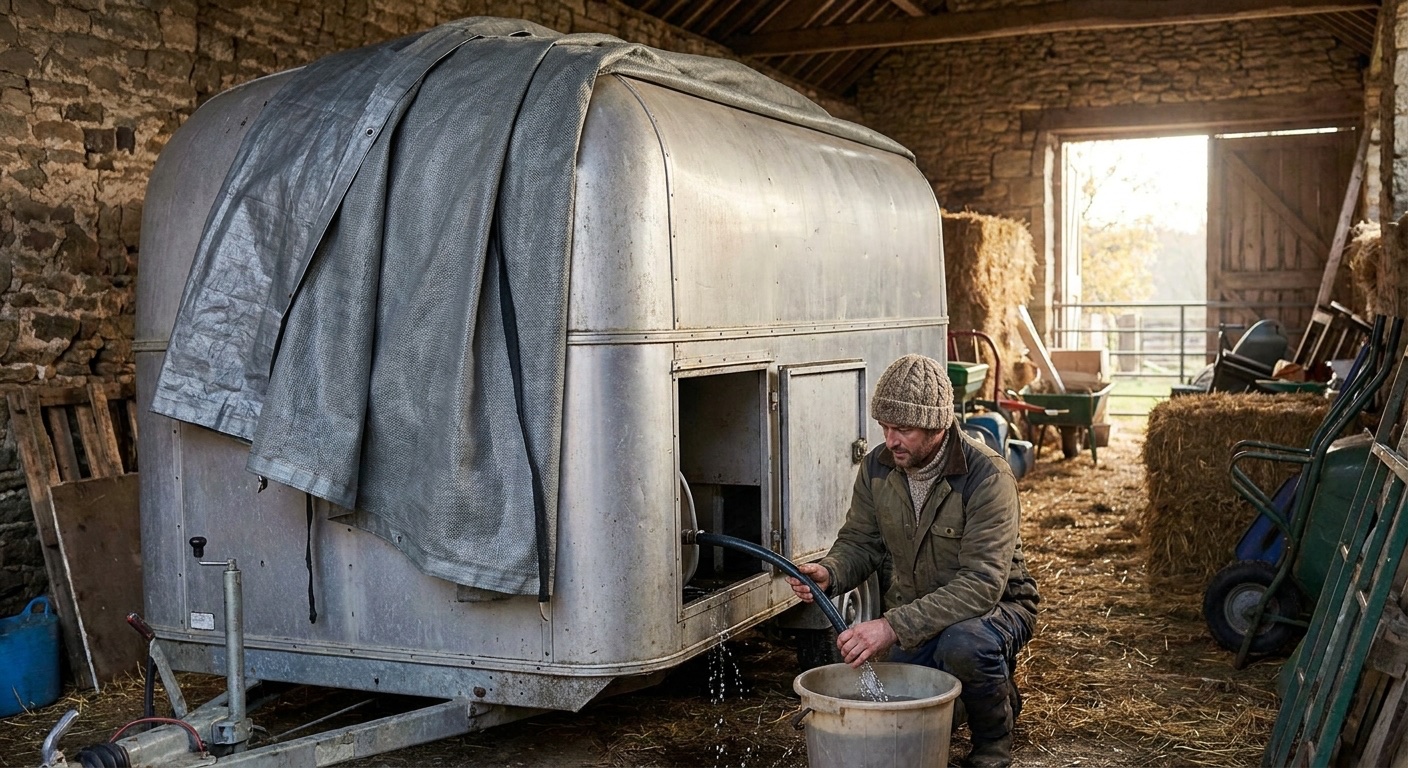
Water is often overlooked but matters, especially at events without mains supply:
- Use spray taps or foot-pedal taps to reduce flow
- Pre-soak dishes rather than running water continuously
- Collect grey water properly and dispose of it responsibly (never down a drain at events without permission)
- Carry enough fresh water to avoid wasteful last-minute solutions
Sourcing and Supply Chain
Local Sourcing
Buying locally isn't always cheaper, but it's often fresher and always a better story:
- Build relationships with local butchers, bakers, and farm shops
- Visit wholesale markets early morning for the best seasonal produce
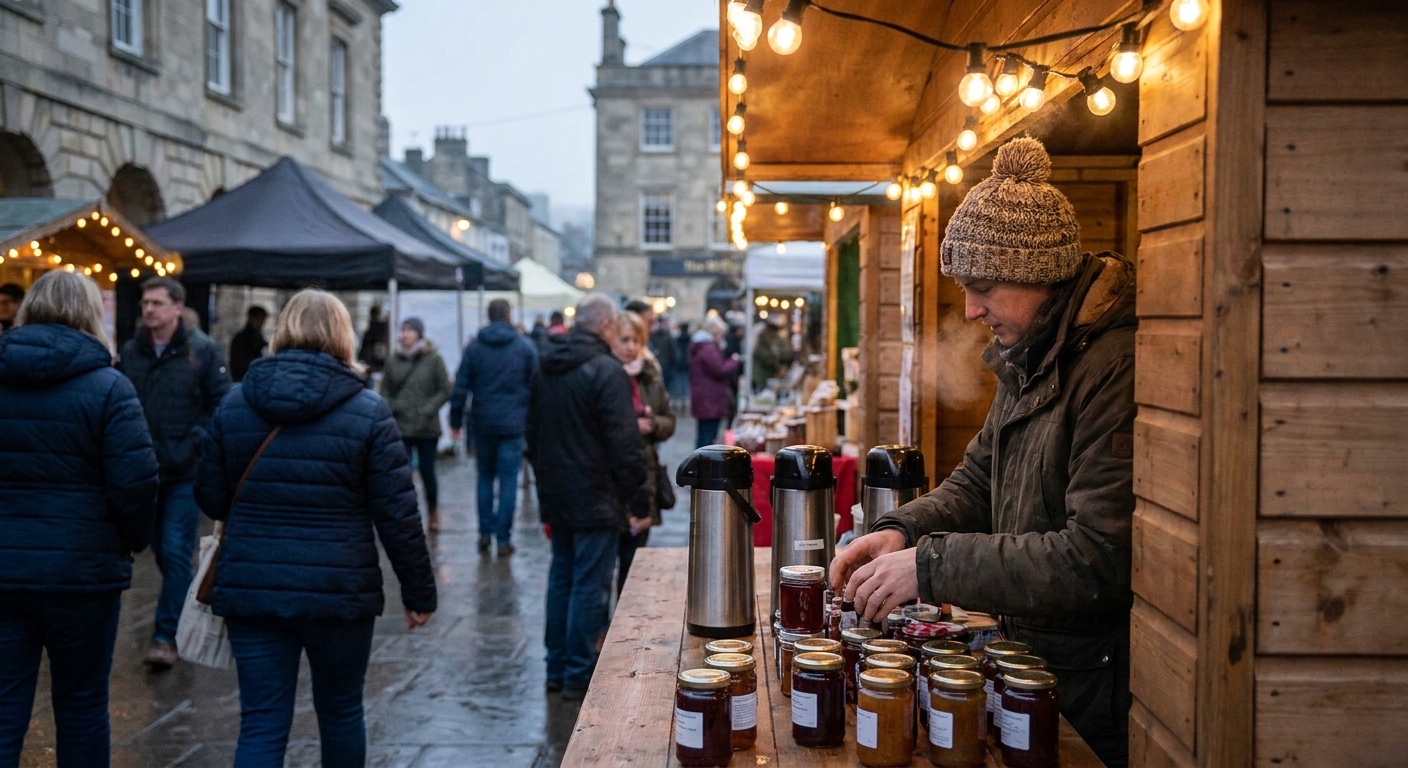
- Name your suppliers on your menu boards and social media—customers love transparency
- Seasonal menus reduce the need for imported ingredients
Reducing Packaging from Suppliers
- Buy in bulk to reduce individual packaging
- Return crates and containers to suppliers who offer take-back schemes
- Choose suppliers who minimise plastic wrapping
Communicating Your Efforts
Don't be shy about what you're doing—but be honest. Greenwashing is worse than saying nothing.
- Add a small sign to your stall: "We use compostable packaging" or "Our meat comes from [Farm Name], 12 miles away"
- Mention sustainability in your enquiry responses to corporate and event clients
- Share your journey on social media—people respond to progress, not perfection
- If an event requires a sustainability statement, have one ready
💡 Pro Tip
Don't try to go fully green overnight. Pick two or three changes from this article and implement them this season. Add more next season. Incremental improvement is sustainable in every sense of the word.
Sustainability for mobile vendors isn't about being perfect. It's about making practical choices that reduce your impact, cut your costs, and show your customers you care. Start where it's easy, track the savings, and build from there.