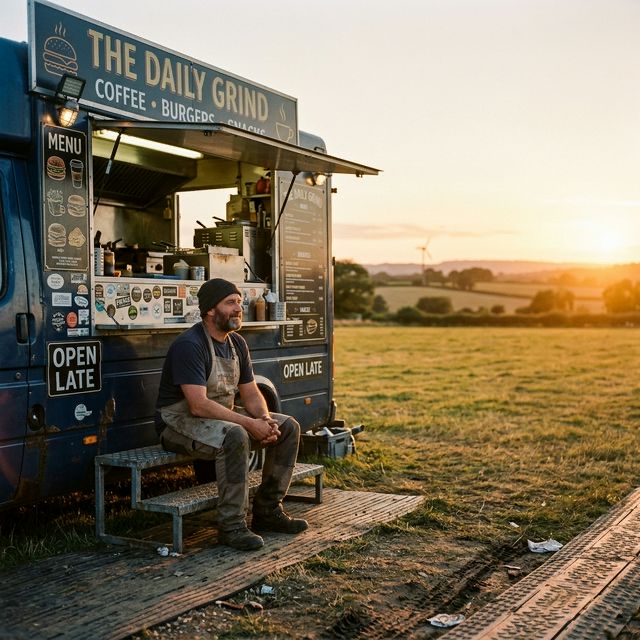
You're working weekends, evenings, and every bank holiday. You're exhausted, but you can't say no to bookings. Burnout is real in this industry. Here's how to run a successful mobile business without running yourself into the ground.
Recognising the Problem
Mobile catering is demanding by nature. Events happen when other people are celebrating—weekends, holidays, evenings. The physical work is hard. The pressure to perform is constant. And when you're building a business, saying no feels impossible.
Burnout creeps up gradually. You might not notice until you're dreading work you used to love, snapping at family, or feeling physically unwell. The irony is that pushing through makes everything worse—your health, your relationships, and eventually your business.
Recognising that this pattern isn't sustainable is the first step. The second is doing something about it.
Setting Boundaries
Boundaries aren't about being difficult—they're about sustainability. Without them, your business will consume everything.
Protected Time
Block out time that's genuinely off-limits. Maybe it's every Sunday evening. Maybe it's one full weekend per month. Whatever you choose, protect it fiercely. Turn off notifications. Don't check emails. Actually rest.
Maximum Bookings
Decide how many events you can sustainably handle per week or month. When you hit that number, stop accepting bookings. The fear is that you'll miss out on income—but overcommitting leads to poor delivery, health problems, and hating your work.
Response Times
You don't need to answer enquiries at 10pm. Set expectations: "I typically respond within 24 hours during business days." Most clients are fine with this. The few who demand instant responses at all hours aren't clients you want anyway.
Pro Tip
Put your boundaries in your calendar as actual appointments. "Family time" or "Day off" scheduled like any other commitment is harder to override than vague intentions to rest "sometime."
Learning to Say No
Every yes to a booking is a no to something else—rest, family time, your health. Learning to say no is essential for sustainability.
Valid Reasons to Decline
- You're already at capacity
- The event clashes with protected time
- The client is difficult or disrespectful
- The job doesn't pay enough to be worthwhile
- You simply don't want to
You don't owe anyone an explanation. "I'm sorry, I'm not available for that date" is a complete sentence. You can recommend another vendor if you want to be helpful.
The Fear of Missing Out
Saying no feels like losing money. But consider: if you burn out completely, you lose all future income. One declined booking won't end your business. Chronic exhaustion might.
Building Support Systems
Running a business alone is isolating. Building support makes everything more manageable.
Reliable Staff or Helpers
Even if you're mostly solo, having people you can call on for bigger events—or when you need a break—is valuable. Train them well so you're not constantly supervising. Accept that they might do things slightly differently, and that's okay.
Peer Support
Connect with other mobile vendors. Online communities, local meetups, or just a few trusted contacts who understand what you're going through. Sometimes you need to vent to someone who gets it. Sometimes you need practical advice. Either way, isolation makes everything harder.
Family and Friends
Help the people close to you understand the demands of your work. When they understand why you're tired after a wedding weekend, they can offer appropriate support rather than more demands.
Physical Self-Care
Mobile catering is physical work. Looking after your body isn't optional—it's part of being able to do the job.
Sleep
Chronic sleep deprivation affects everything: decision-making, mood, physical health, immune function. Prioritise sleep even when it feels impossible. Build recovery days into your schedule after intensive events.
Nutrition
Ironic for a food business, but many vendors eat badly during events—grabbing scraps when they can. Plan proper meals. Stay hydrated. Your body needs fuel to work hard.
Movement and Recovery
Standing for hours, lifting heavy equipment, working in awkward positions—it takes a toll. Stretching, proper footwear, and attention to ergonomics matter. Some vendors find regular massage or physiotherapy helps manage the physical demands.
Mental Health Matters
The mental load of running a business is significant. Client demands, financial pressure, constant decision-making—it adds up.
Recognise the Signs
Anxiety, persistent low mood, irritability, difficulty concentrating, feeling overwhelmed by things you used to handle easily—these are signals to pay attention to, not push through.
Get Help When Needed
Talking to a counsellor or therapist isn't weakness—it's maintenance. Many successful business owners work with mental health professionals. Your GP is a starting point if you're struggling.
Stress Management
Find what helps you decompress. Exercise, time outdoors, hobbies unrelated to food, meditation, time with friends—whatever works for you. Make time for it regularly, not just when you're already overwhelmed.
Build a sustainable business
VendorPad helps you manage your workload, set boundaries, and build systems that support your wellbeing—not just your revenue.
Start your free trialPricing for Sustainability
Underpricing forces you to work more events to make ends meet. Proper pricing means you can work less while earning what you need.
Calculate what you actually need to earn—covering business costs, personal living expenses, tax, and savings. Divide by a sustainable number of events. That's your minimum pricing baseline.
If the market won't bear those prices, that's important information. It might mean repositioning, niching into higher-value work, or honestly assessing whether the business model works.
Seasonal Rhythms
Accept that mobile catering has seasons. Fighting this creates unnecessary stress.
- Peak season: Work hard, save money, accept that life is intense
- Shoulder seasons: Moderate pace, catch up on maintenance and admin
- Off-season: Genuine rest, planning, development—and actual holidays
Trying to maintain peak-season intensity year-round leads to burnout. Plan for the natural rhythm and work with it.
When to Step Back
Sometimes the answer isn't better self-care—it's genuine change.
- Hiring help so you're not doing everything alone
- Scaling back the business to a sustainable level
- Pivoting to less demanding types of work
- Taking a proper sabbatical to recover
- In some cases, exiting the business entirely
There's no shame in any of these. A business that destroys your health and relationships isn't success—no matter what it earns.
Final Thoughts
Burnout isn't a badge of honour. Hustling until you break isn't admirable. The goal is a business that supports a good life—not one that consumes it.
Set boundaries and enforce them. Learn to say no. Look after your body and mind. Price properly so you don't have to overwork. Build support systems. Accept the seasonal nature of the work.
The vendors who last in this industry aren't the ones who work hardest—they're the ones who work sustainably. They're still here, still enjoying their work, still healthy, years after the burnout casualties have moved on to something else.
Build a business you can sustain. Your future self will thank you.