August is your busiest month. You're booked solid with weddings, and you're turning away enquiries. But you're charging the same rates as you do in January when you're lucky to get one booking a week. Here's why seasonal pricing makes sense—and how to implement it fairly.
Understanding Seasonal Demand in the UK
The UK events industry follows predictable patterns. Understanding these cycles is crucial for optimising your pricing strategy and maximising revenue during peak periods whilst maintaining bookings during quieter months.
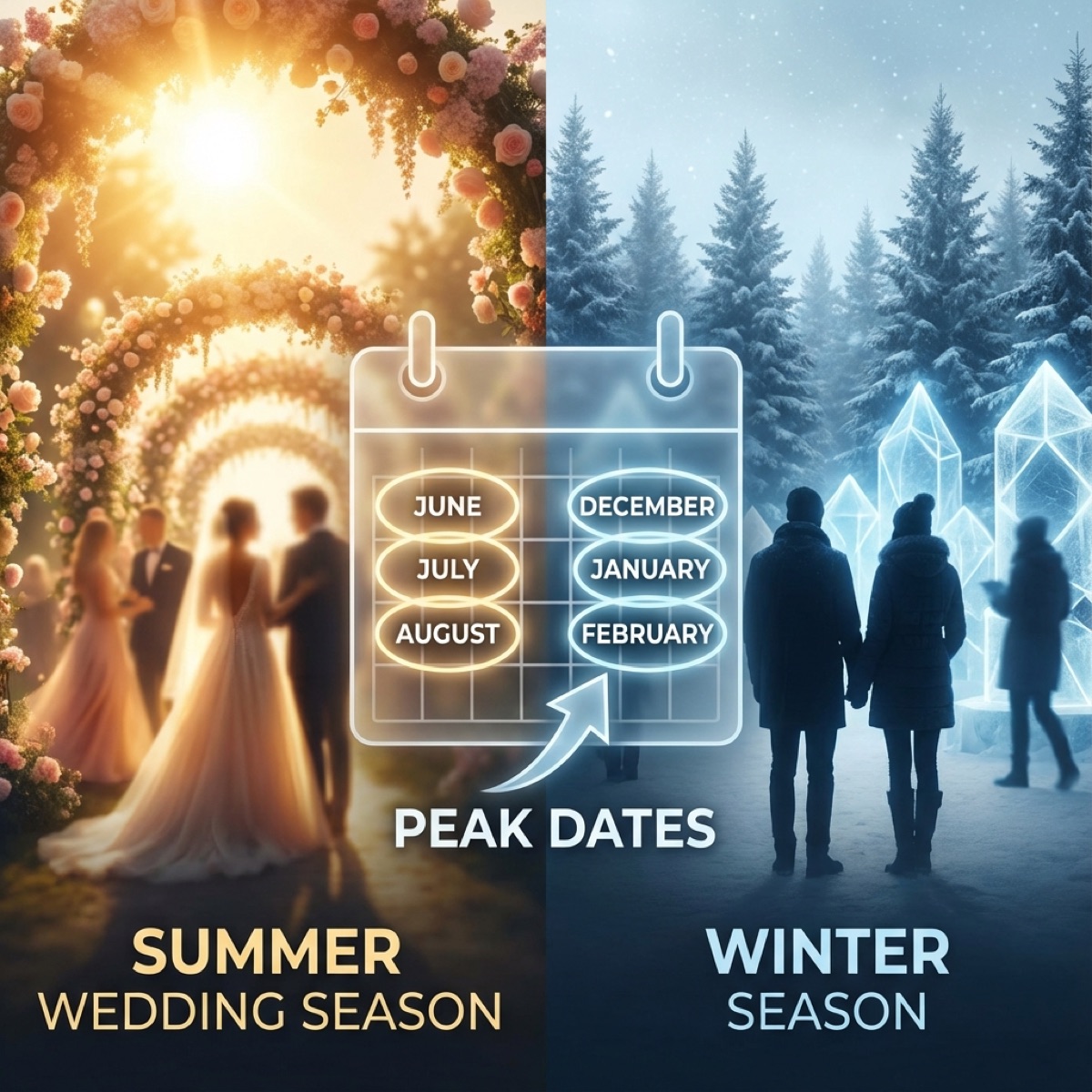
Peak Season (May–September)
This is wedding season. The summer months see a dramatic surge in outdoor events, festivals, and celebrations. Demand for mobile vendors—whether you're serving artisan coffee, wood-fired pizza, or craft cocktails—reaches its highest point. During these months, you'll likely receive more enquiries than you can handle, and turning away business becomes a regular occurrence.
Shoulder Season (March–April, October)
Spring and autumn bring corporate events, private parties, and early or late-season weddings. Demand is moderate but steady. These months offer opportunities for consistent bookings without the intense competition for your time.
Off-Peak Season (November–February)
Winter brings Christmas markets and corporate parties in November and December, but January and February are notoriously quiet. Many vendors struggle to fill their calendars during these months, making competitive pricing essential to attract bookings.
Why Seasonal Pricing Makes Business Sense
Charging the same rate year-round might seem fair, but it actually creates problems for both you and your customers.
Supply and Demand Economics
When demand exceeds supply (peak season), prices naturally rise. This isn't profiteering—it's basic economics. Higher prices during peak periods help manage demand and ensure you can deliver exceptional service to each client rather than stretching yourself too thin.
Covering Your True Costs
Peak season often involves longer days, additional staff, and greater wear on your equipment. Higher prices during busy periods offset these increased operational costs and help fund equipment maintenance and upgrades.
Rewarding Off-Peak Bookings
Lower prices during quieter months incentivise customers to book when you need business most. This creates a win-win: clients get better value, and you maintain consistent revenue throughout the year.
Pro Tip
Frame your off-peak rates as "early bird discounts" or "winter specials" rather than describing peak rates as surcharges. Customers respond more positively to feeling they're getting a deal than being told they're paying extra.
Recommended Pricing Adjustments
Here's a practical framework for implementing seasonal pricing, using your shoulder season rate as the baseline:
Peak Season (May–September)
Increase: 15–25% above baseline
For the busiest months, particularly June through August when wedding demand peaks, a 20–25% increase is justified. May and September can sit at the lower end (15–20%) as they bookend the true peak period.
Shoulder Season (March–April, October)
Baseline rates
Use these months as your standard pricing benchmark. This is your "normal" rate that all other pricing adjusts from.
Off-Peak Season (November–February)
Discount: 10–20% below baseline
January and February warrant the largest discounts (15–20%) to stimulate bookings. November and December may need only modest reductions (10–15%) due to Christmas event demand.
Special Dates
Consider premium pricing for high-demand dates regardless of season:
- Bank holiday weekends: +20–30%
- Valentine's Day: +15–25%
- New Year's Eve: +30–50%
- Christmas markets: +15–25%
Communicating Your Pricing Transparently
The key to successful seasonal pricing is transparency. Customers appreciate honesty and clarity about your pricing structure.
Update Your Website and Marketing Materials
Clearly display your seasonal rates or indicate that prices vary by date. A simple note stating "Prices vary by season—contact us for a quote" sets expectations appropriately.
Explain the Value
When quoting peak season rates, emphasise what clients receive: your undivided attention during your busiest time, guaranteed availability, and premium service when demand is highest.
Be Consistent
Apply your seasonal pricing uniformly to all customers. Inconsistent pricing damages trust and can lead to awkward situations if clients compare notes.
Quote Early for Popular Dates
Provide quotes promptly for peak season enquiries. Clients expect to pay more for prime dates and often appreciate knowing costs upfront rather than facing surprises later.
Implementing Seasonal Pricing: A Practical Guide
- Analyse your current bookings: Review the past 12–24 months to identify your genuine peak and off-peak periods.
- Calculate your baseline: Determine a sustainable rate that covers costs and provides reasonable profit during moderate demand.
- Set your ranges: Decide on percentage increases and decreases for each season.
- Create a pricing calendar: Map out the entire year with specific rates for each period.
- Update your systems: Ensure your booking system, website, and quote templates reflect seasonal pricing.
- Communicate the change: If you have existing customers, notify them of your new pricing structure with adequate notice.
Common Objections (And How to Address Them)
"Isn't this unfair to summer customers?"
Not at all. They're securing your services during the most desirable time when demand far exceeds availability. The premium reflects the value of guaranteed availability during peak periods.
"Won't I lose customers?"
Some price-sensitive customers may book elsewhere or choose off-peak dates—and that's perfectly fine. Seasonal pricing helps attract clients who value your service and are willing to pay appropriately for it.
"This seems complicated."
Start simple. Even just two tiers (peak and off-peak) is better than flat-rate pricing year-round. You can refine your approach over time.
Ready to Optimise Your Pricing Strategy?
VendorPad helps mobile vendors manage seasonal pricing, track bookings across peak and off-peak periods, and maximise revenue throughout the year.
Final Thoughts
Seasonal pricing isn't about charging more for the sake of it—it's about aligning your rates with the genuine value you provide and the market conditions you operate within. By implementing a thoughtful, transparent seasonal pricing strategy, you'll improve your profitability, reduce stress during peak periods, and offer genuine value to customers who book during quieter months.
Start by reviewing your booking patterns, set your seasonal rates, and communicate them clearly. Your business—and your sanity during wedding season—will thank you.