Your first Christmas market is nothing like your first summer festival, and the vendors who learn that in November pay for the lesson in takings. The days are shorter. The costs run higher. The customers buy differently. And everything you own gets cold. Here's the honest first-timer's guide: what it costs, what to bring, plus the things nobody mentions until you're stood in them.
The costs, without the tinsel
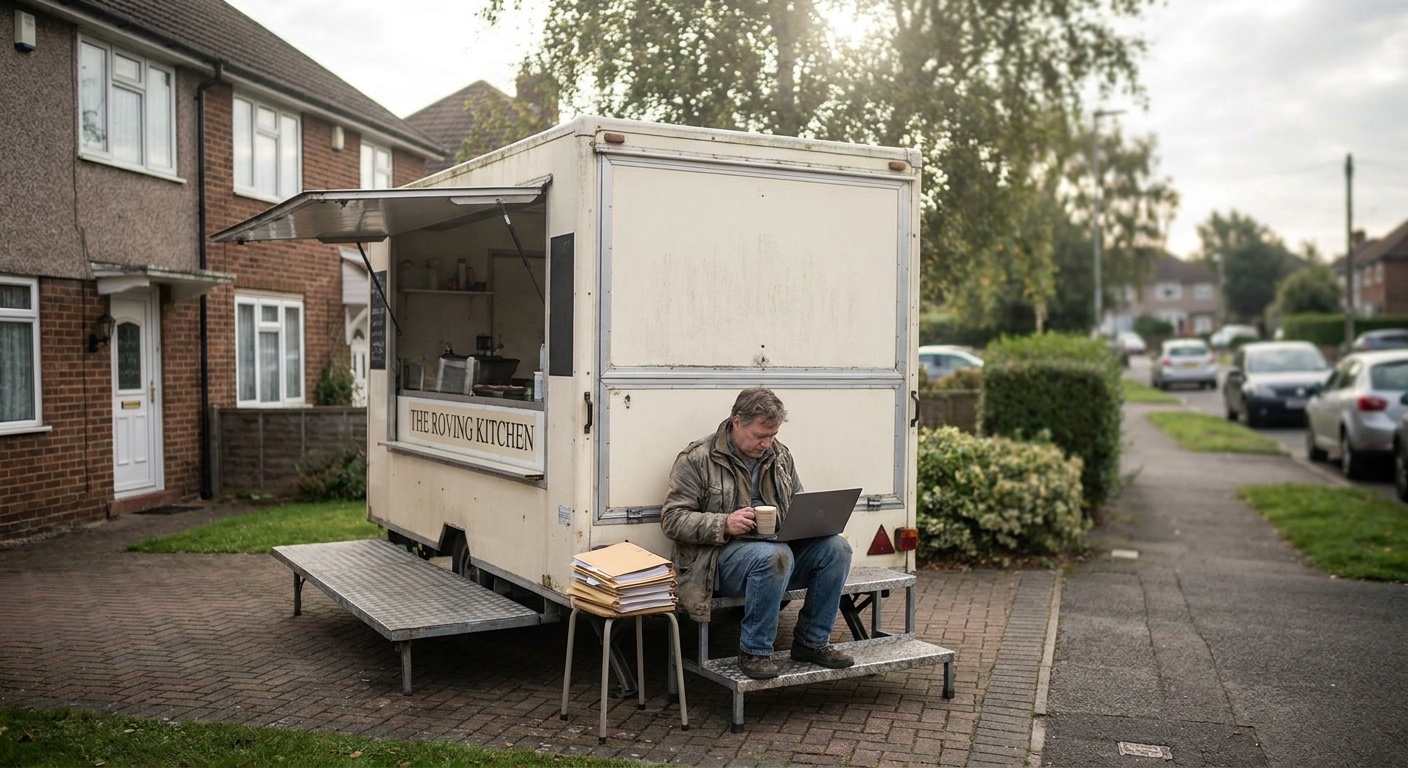
Christmas pitches are the most expensive of the year. The fee structure differs from summer too. Instead of one-day fees, many markets want commitment: every weekend of Advent, or a full six-week run with mandatory opening hours. Before you sign anything, stack up the full picture. The pitch fee. Power, which is often charged on top and costs more than you think once heaters and lights join the fryer. Stock that suits cold-weather sales. Winter kit. Staff for the long dark hours you can't cover alone. Then read the contract's minimum-hours clause twice, because "open until 9pm on the 23rd of December" is easy to agree to in September and quite the experience in person.
If we haven't put you off, good. The flip side is real: Christmas markets can out-earn whole summer months, footfall arrives pre-warmed by mulled wine. A good December funds a calm January. The point of the maths isn't fear. It's picking the right market instead of the famous one, as we covered when applications opened.
Kit the van for the cold
- Light is your shopfront: trading runs past dark from mid-afternoon. Warm festoon lighting sells food; a single cold striplight sells nothing. Budget for proper lighting like it's stock.
- Heat for people, not just food: a small heater at the service area keeps staff functional through a six-hour evening. Cold staff serve slowly and go home ill.
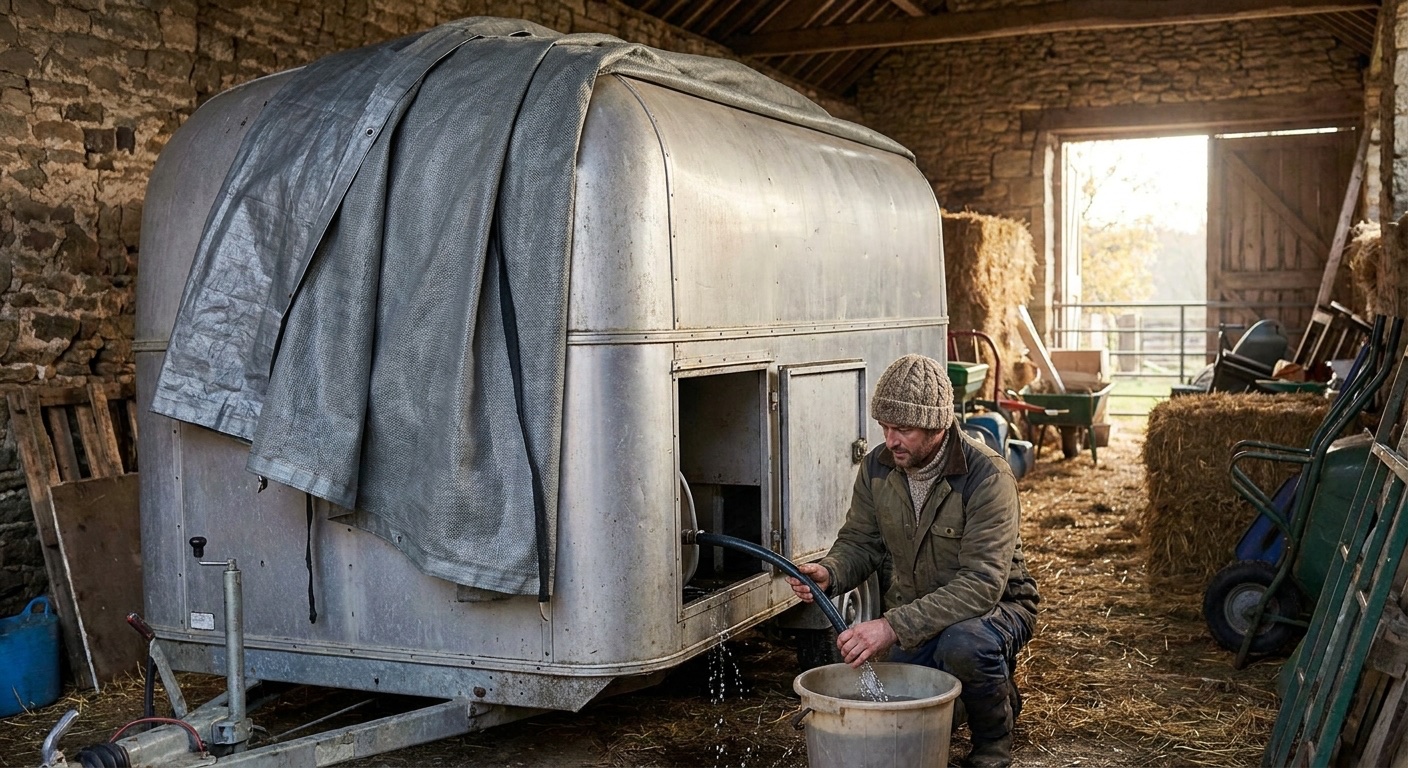
- Water plans: hoses and tanks freeze. Fill up somewhere warm, insulate what's exposed, and drain everything nightly, exactly as per the winterising routine.
- Card reader spares and cash float: cold drains batteries fast. Keep readers warm, keep power banks charged, and carry more change than summer ever needed.
- Grip and gaffer: frost plus smooth market-square paving equals a slip risk at your hatch. Mats down, cables ramped, salt in the van.
Sell what December buys
Christmas market customers browse. They graze while shopping for other things, which flips the summer logic: smaller portions at friendlier prices out-sell the big showpiece plate, because nobody commits to a huge meal mid-browse. Hot drinks stop being a sideline and become a pillar of the day's takings. Anything that perfumes the air (roasting, spicing, toasting) is marketing you don't pay for. And a gift angle, even a small one (a jar, a box of six, a bag of brittle), catches money that food alone leaves on the table. People at Christmas markets are literally there to buy presents. Let them buy yours.
💡 Pro Tip
Track takings by hour for your first weekend. December days have a rhythm all their own: dead till noon, family surge in the afternoon, after-work crowd from five. Once you see your market's curve you can staff and stock it to match, instead of standing fully-staffed in an empty square at 10am.
What nobody tells first-timers
- The stamina is the job: six weekends of cold evenings is an endurance event. Plan rest like you plan stock, and hold a staff reserve for the weekend somebody inevitably drops.
- Neighbours matter more: you'll stand next to the same traders for six weeks. Make friends fast. They'll watch your stall and lend you change. They also know which organiser promises to believe.
- The 23rd is not the 16th: final-weekend crowds buy differently again, last-minute and generous. Hold stock back for it.
- January exists: keep a slice of December's takings untouched. The quiet months start immediately, and the best Christmas outcome is a calm February, not a new fryer in a panic sale.
First market, fully prepped
Our free Multi-Event Packing List has a winter section for exactly this, and the Takings & Sales Log is how you capture that hourly rhythm from day one.
Browse All TemplatesCost it honestly. Light it properly. Sell small, hot things. Protect your stamina and bank January's cushion. Do those five and your first Christmas market becomes the first of many, which is exactly how the veterans on either side of your pitch started too. See you in the frost.